
Sofa Rockers: A Trip Hop Retrospective (the First Decade, 1990-1999)
Click below on the streaming service of your choice to listen to the playlist as your read along.


The early 1990s was an epochal period of modern rock. It was consistent to a twelve-year pattern of heightened change, arriving on schedule following the late 1970s and the birth of modern rock. As noted in the Chuck Klosterman book, The Nineties, the decade delivered such consequential change on so many fronts that, if it didn’t fully end the cyclical pattern, certainly made any subsequent change less material.
Ceremony has, to date, explored three of the modern rock evolutions of the early 1990s: grunge, shoegaze, and Madchester. In this profile we will dive into trip hop, yet another such wave in that period. While the other genres saw trends of the mid to late ‘80s come to their fruition in the 1990s, trip hop blossomed as a new sound at the start decade. It certainly built off prior sounds and trends, but as a genre did not begin until the new decade.
The Playlist [artist - “song” (year)]
The Creators
Neneh Cherry - "I've Got You Under My Skin" (1991)
The Orb - "Perpetual Dawn" (1990)
Primal Scream - "Higher than the Sun" (1990)
Beastie Boys - "Something's Got to Give" (1992)
Silent Poets - "Time & Place" (1992)
Kruder & Dorfmeister - "Definition" (1993)
Up, Bustle & Out - "Apple Strudel" (1993)
One Dove - "Fallen" (1993)
Coldcut - "Philosophy" (1993)
The Headliners
Massive Attack - "Safe from Harm" (1991)
Bjork - "Play Dead" (1993)
Portishead - "Sour Times" (1994)
Tricky - "Hell is Round the Corner" (1995)
Morcheeba - "Howling" (1996)
Hooverphonic - "2Wicky" (1996)
Sneaker Pimps - "6 Underground" (1996)
Thievery Corporation - "Lebanese Blonde" (1998)
The Multitude
DJ Krush - "Keeping the Motion" (1994)
9 Lazy 9 - "Black Jesus" (1994)
Skylab - "Seashell" (1994)
Earthling - "1st Transmission" (1994)
Attica Blues - "Contemplating Jazz" (1994)
Funki Porcini - "Long Road" (1995)
Nightmares on Wax - "Mission Venice" (1995)
DJ Food - "Spiral" (1995)
The Herbaliser - "Scratchy Noise" (1995)
Smith & Mighty - "Closer" (1995)
Shantel - "Considerando" (1995)
DJ Cam - "Mad Blunted Jazz" (1995)
Rootless - "Hornsey Risin'" (1995)
Cibo Matto - "Know Your Chicken" (1996)
Howie B - "On the Way" (1996)
DJ Spooky - "Galactic Funk" (1996)
Jay-Jay Johanson - "I'm Older Now" (1996)
Baby Fox - "Ladybird" (1996)
DJ Vadim - "The Next Shit" (1996)
DJ Shadow - "Midnight In A Perfect World" (1996)
Red Snapper - "Crusoe Takes A Trip" (1996)
Archive - "Nothing Else" (1996)
Lamb - "Lusty" (1996)
Olive - "This Time" (1996)
The Wiseguys - "Casino "Sans Pareil"" (1996)
Smoke City - "Underwater Love" (1996)
Tranquility Bass - "Five Miles High" (1997)
Bran Van 3000 - "Drinking in LA" (1997)
Mr Scruff - "Jazz Potato" (1997)
Mono - "Life in Mono" (1997)
Kid Loco - "A Grand Love Theme" (1997)
Alpha - "Somewhere Not Here" (1997)
Sofa Surfers - "Sofa Rockers (remix)" (1997)
Minus 8 - "Airborn" (1997)
Groove Armada - "At the River" (1998)
Esthero - "Heaven Sent" (1998)
Moloko - "Sing It Back" (1998)
UNKLE - "Be There" (1998)
Rae & Christian - "Swimming Pool" (1998)
Wax Poetic - "Angels" (1998)
The Dining Rooms - "Triste, Solitario Y Final" (1999)
Terranova - "Bombing Bastards" (1999)
Aim - "Cold Water Music" (1999)
Skull - "Destroy All Monsters" (1999)
The Baby Namboos - "Ancoats 2 Zambia" (1999)
Bows - "Big Wings" (1999)
Trip hop also differentiated itself from the other ‘90s trends by growing more gradually, steadily, and sustaining longer. Rather than experiencing a sudden explosion and then peaking after a few years, trip hop burbled along, mostly underground but also seeing a few breakthroughs, growing its legion of artists and their libraries well into the new century.
This profile stops at the end of 1999, which by then trip hop was well and truly an established part of the modern music universe. We’ll approach the genre through a playlist in three parts: with the first exploring the artists and music that established the style; then the small group that broke through, defining and popularizing the genre to a wider audience; and finally the many which filled out the scene over the decade.
I was aware of trip hop at the time and would have considered myself a casual fan, but in creating this playlist it has become clear I was more into it than I realized. The genre was influential and far reaching, encompassing many of my favourite songs and albums from the decade.
What is Trip Hop?
Before getting into the playlist, it will be helpful to provide some context and set-up. Parallel to the growth of modern rock over the late 1970s and into the 1980s was the evolution of R&B and disco into hip hop. Drawing on the foundations of disco’s danceable drum and bass grooves, innovative DJ pioneers utilized sampling and rap vocals to create a new genre that developed on the fringes of popular music in the early ‘80s. It built into a tidal wave that crashed over the entire pop and rock worlds through the 1990s.
Like the modern rock trends of the 1980s, hip hop artists began to play with rhythms (similar to dark wave) and integrate broader influences from non-rock and global music styles. Club DJs were also becoming more proficient with mixing music from various genres and time periods, creating trippy, psychedelic mixes. This blending of hip hop with other genres became trip hop.
Given its multi-genre composition, defining the borders of trip hop is a challenge. The core sound was beats, most often sampled and arranged through drum machines and sequencers. This was the hip hop side of its origin. Trip hop was developed mostly by DJs out of the techno, acid house, and rave scenes where sampling and mixing were de riguer. The trip hop vibe, however, was more laid back, with slow to mid-tempos yet keeping the danceable hooks of the beats. Spacey, dub-style rhythms were a common signature. Layered over these foundations were integrations of jazz, R&B, electronica, and world music. There wasn’t much of a rock component, though the occasional edgy guitar lick could be found. Instrumentals were common and vocals varied from soul to rap to R&B. Therefore, trip hop artists and songs were also frequently tagged to other genres such as ambient, electronica, downtempo, chill, hip hop, pop, and jazz.
So, trip hop was a psychedelic compendium of spacey, ambient, toe-tapping yet relaxing music. It was aided in gaining attention by being the perfect background music, whether for lounging at home or in setting the ambience for seemingly every contemporary restaurant and bar for the past thirty years. It had broad appeal, being amenable to fans of a huge swath of genres, even if very few would specifically know the music or its artists.
As a genre of many genres, this playlist needs firm boundaries. We will focus only on artists and songs that were purer to trip hop’s essential elements. Those whose predominant strains tilted more into other genres (usually from an absence of hip hop foundations) are excluded from this playlist. Notable artists sometimes cited as trip hop but that are not in this playlist are Dido, Everything But the Girl, US3, Space, Beth Orton, Bomb the Bass, and Air.
The Creators
Before trip hop was an identifiable wave with consistent sonic touchstones, many artists were playing in the space, establishing the trend that would become the genre. These first nine tracks highlight songs and artists that helped established that lineage, thus becoming ‘the creators.’
1. "I've Got You Under My Skin" \ Neneh Cherry (1990) – This track provides a good starting point for our journey.
Neneh Cherry was born in Sweden, raised in New York, and developed her music career out of London. Her stepfather was American jazz trumpeter, Don Cherry, who helped raise her. However, as a teenager in London, she fell in with the late ‘70s punk scene, hanging out with the likes of The Slits and X-Ray Spex. Neneh played in various punk acts and in the early ‘80s provided backing vocals for the likes of Matt Johnson and his band, The The. She had a personal history in which combining genres would be natural for her solo work.
Raw Like Sushi, her debut album, was released in 1989, but it was the ’88 single, “Buffalo Stance,” that established her career, reaching #3 in both the UK and US singles charts. Co-written with her future husband, Cameron McVey, and co-produced by Tim Simenon (Bomb the Bass), her sound had evolved into a fusion of hip hop and dance-pop, employing a heavy dose of samples and beats.
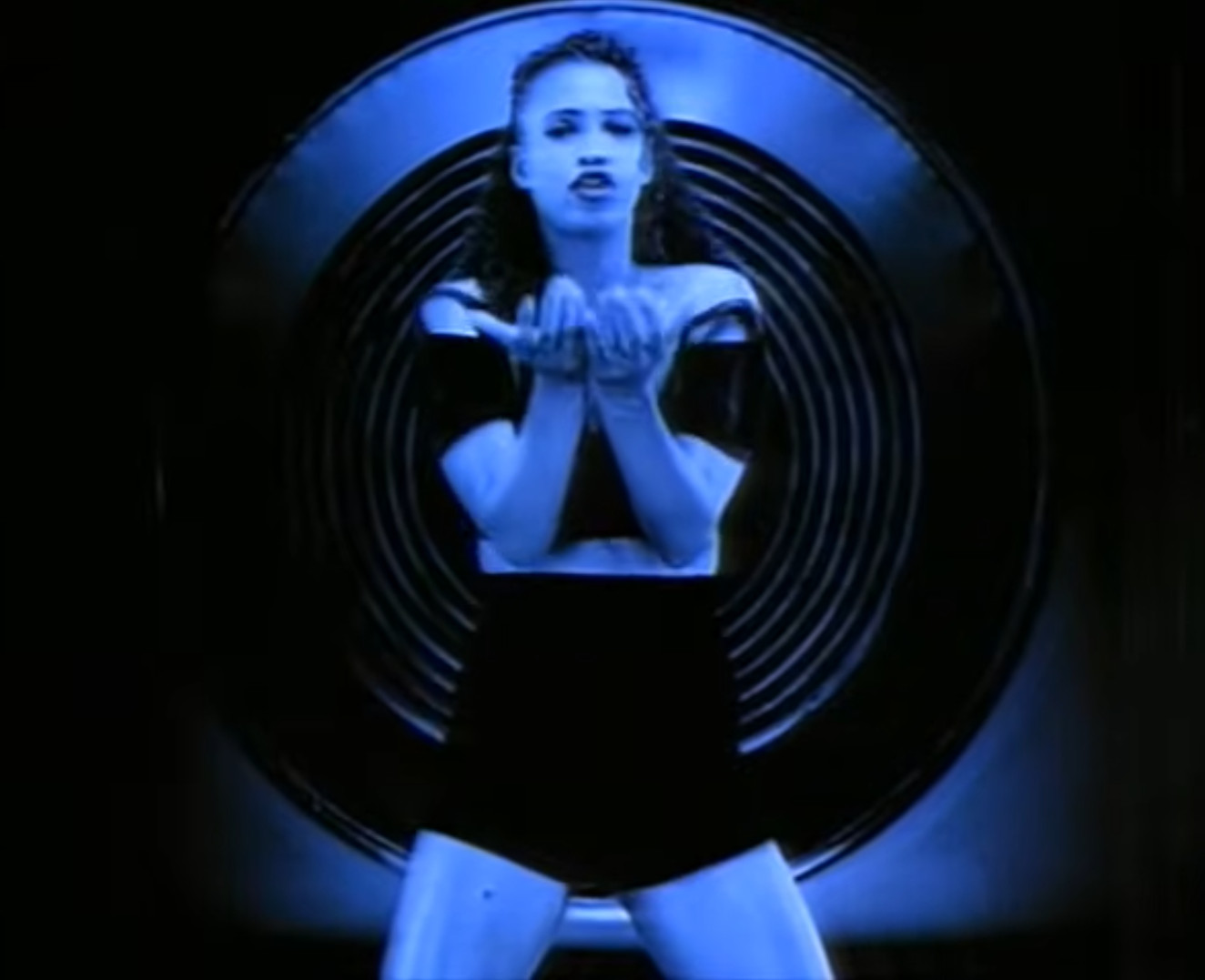
Neneh in the video for, “I Got You Under My Skin”. Singing in front of a pulsing speaker, it reinforced the bass-heavy dub style of the track.
Her success drew her into the project of the Red Hot Organization and their high profile 1990 fundraising release, Red Hot + Blue. The album raised money for AIDS research and saw many prominent artists provide covers of Cole Porter songs. Cherry’s contribution was Porter’s legendary, “I’ve Got You Under My Skin.” Built on a spacey drum and bass foundation, she added a rap about AIDS to the original lyrics. It was co-produced again by Cameron McVey along with rap legends, Jungle Brothers (Michael ‘Mike Gee’ Small and Nathaniel ‘Afrika Baby Bam’ Hall). The track’s dub style and laid-back feel, mixed with Porter’s classic jazz melody, created one of the first signs of what would become trip hop.
2. "Perpetual Dawn" \ The Orb (1991) – The Orb were one of the creators and headliners of the electronic and ambient house genres. They started in London in 1988 as the DJ duo of Alex Paterson and Jimmy Cauty (from ambient house pioneers, The KLF). They split in 1990 and Paterson continued under The Orb name, collaborating with longtime friend, Martin ‘Youth’ Glover (bassist from Killing Joke), as well as many other musicians and engineers including Andy Falconer and Kris ‘Thrash’ Weston.
Drawing on psychedelic and alt-rock influences, The Orb blended reggae dub and house beats to create wondrous, hypnotic compositions. The debut LP, The Orb’s Adventures Beyond the Ultraworld, was released in 1991 and reached the UK top forty album chart. The initial single, “Little Fluffy Clouds” (featuring vocal samples from an interview with Rickie Lee Jones), reached the UK top ten in the singles chart. “Perpetual Dawn” was the second single and reached #61 in the UK (it cracked the top twenty in a 1994 re-release). The album version was a lengthy exploration of dub reggae with an R&B vocal chorus, but the 12” release featured the ‘solar youth mix’, which was a take that nicely boiled it down to a trip hop style.
3. "Higher than the Sun" \ Primal Scream (1991) – Primal Scream came out of Glasgow and started as a project of Bobby Gillespie and Jim Beattie in the very early 1980s. While they did some recordings with friend, Alan McGee (future founder of Creation Records), they were not released. After Gillespie did a stint in proto-shoegaze band, Jesus & Mary Chain, he returned his attention to Primal Scream and released two albums, Sonic Flower Groove in 1987 and Primal Scream in 1989. The sound drew on ‘60s psychedelia and featured jangly guitars to a more straight-ahead rock sound. The line-up also saw a rotating list of members, including the departure of Beattie, which left Gillespie as the mainstay and sole creative charge.
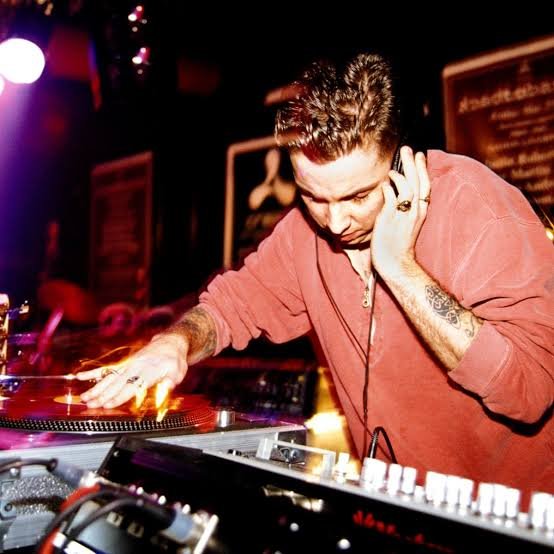
DJs like Andrew Weatherall were instrumental in blending genres and bringing genres like trip hop into being
Primal Scream’s third LP, 1991’s Screamadelica, introduced house beats and synths, fusing the retro-psych rock sound with the blossoming Madchester scene. The album was created with acid house DJ, Andrew Weatherall, and featured Manchester singer, Denise Johnson. The mix of rock and dance proved successful, propelling the album to a top ten spot in the UK album chart. The singles “Loaded” and “Come Together” reached the top twenty and top forty, respectively. The album featured many trippy electronica tracks, one of which was, “Higher than the Sun,” which was issued as the third single for another top forty success. Its dub beats, psychedelic accents, and echoey vocals made it another early example of trip hop.
While the next LP saw Primal Scream return to rock, a line-up change that brought in The Stone Roses bassist, Gary ‘Mani’ Mounfield, resulted in a mix of rock and trip hop in the 1997 LP, Vanishing Point. Primal Scream continues, having released a dozen LPs to date.
4. "Something's Got to Give" \ Beastie Boys (1992) – New York’s Beastie Boys don’t usually need an introduction, being pioneers of a brash brand of punk, rock, and hip hop. By 1992, they had taken the world by storm with their debut LP, Licensed to Ill (1986), and then confounded fans with their follow-up, Paul’s Boutique (1989), which was later recognized as a classic. Check Your Head, the third album, found the right balance and launched the band into critical and commercial success. Of course, Beastie Boys would not seem a fit for trip hop, but they often included downtempo tracks on their LPs and, already being pioneers of blending genres, it was not hard for them to fall into a trip hop groove. “Something’s Got to Give” was the consummate example. The bluesy keyboards, echoey, psychedelic vocals, and a dub beat made them early contributors to the trip hop evolution.
5. "Time & Place" \ Silent Poets (1992) – It is always astonishing how similar styles can arise simultaneously across varied geographic locations. While trip hop would primarily be a UK-based genre, artists from many other countries were also exploring the vibe. Case in point, Silent Poets was formed in 1991 in Tokyo by programmers Michiharu Shimoda and Takahiro Haruno. The duo’s first release was a six-song album, 6 Pieces “sense at this moment”. Laying samples over dub beats and rich, jazzy basslines, trip hop was being sparked halfway around the world. Indeed, this is the first track on this playlist that feels pure to the genre. Silent Poets has gone on to release over ten albums along with various remixes, and continues today but as a solo project for Shimoda.
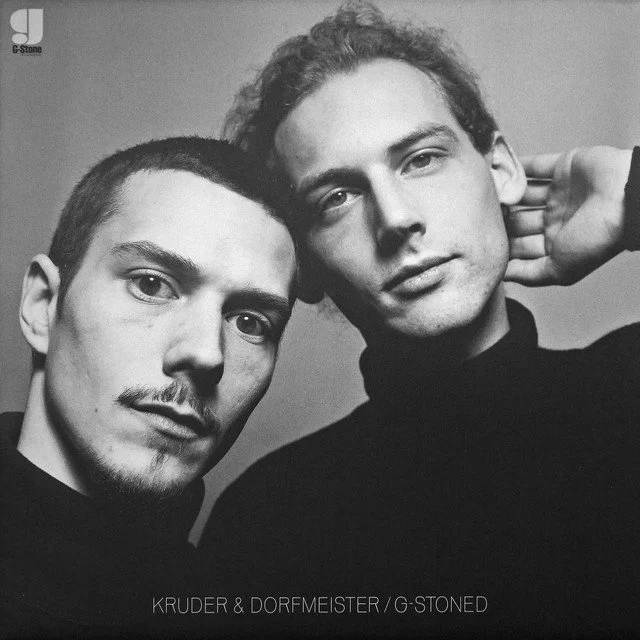
6. "Definition" \ Kruder & Dorfmeister (1993) – Staying on the international theme after our visits to New York and Tokyo, we travel to Vienna next and the duo of Peter Kruder and Richard Dorfmeister. G-Stoned was their debut LP in 1993, and while it was “High Noon” that drew the most attention, with its western styled harmonica, I’ve selected the album’s lead track, “Definition,” as a more quintessential trip hop track. The mix of flute, xylophone, jazz drums, piano, and downtempo feel fit right into the emerging genre’s pocket. The duo is still going and, through their many collaborations, production work, and remixing, are widely recognized as influential pioneers of trip hop.
7. "Apple Strudel" \ Up, Bustle & Out (1993) – Bristol, England came to be known as ground zero for trip hop. Up, Bustle & Out was the duo of Rupert Mould (aka Señor Roody) and David ‘Ein’ Fell. After issuing a debut single in 1991, they worked on other projects before re-forming in 1993 to release their debut EP, Rustlin’. Mixing musical influences from around the world, their blend of jazz and beats was pure trip hop, no more evident than on the track, “Apple Strudel.” The duo has issue over ten LPs including several collaborations with others, and though they haven’t released anything since 2010, still performs live.
8. "Fallen" \ One Dove (1993) – Returning to Scotland, One Dove was a trio of singer, Dorothy ‘Dot’ Allison, engineer Ian Carmichael, and guitarist Jim KcKinven (ex of ‘80s new wave act, Altered Images). Their mix of spacey beats, guitar accents, and spoken and soul vocals made for an edgy, club-styled take on the trip hop sound. “Fallen” was the debut single, originally issued in 1991. It was remixed by Andrew Weatherall and released again in 1992, and that version was then included on the band’s only album release and one of my favourite chillout CDs of the period, 1993’s Morning White Dove.
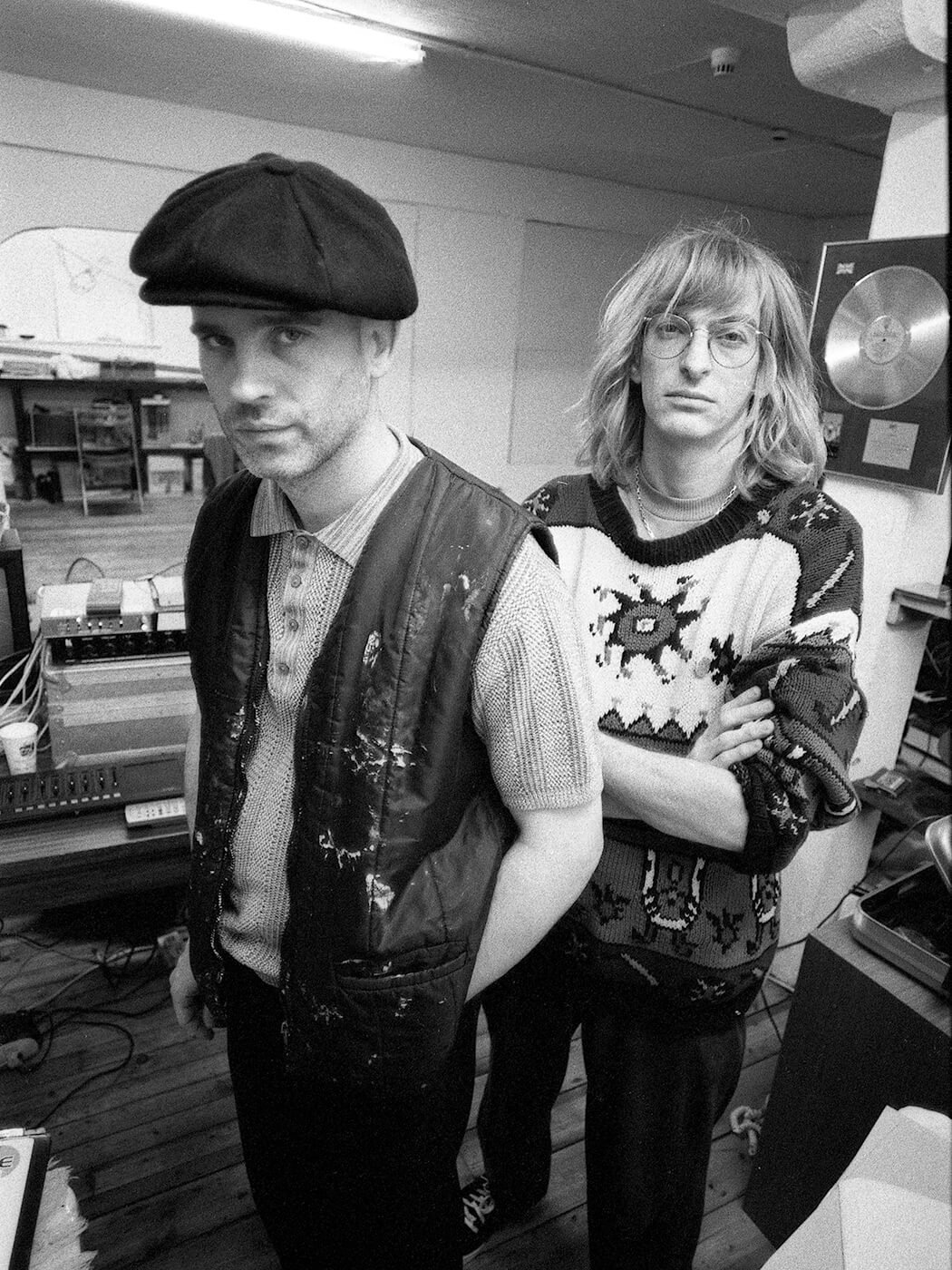
Coldcut: Jonathan More and Matt Black
9. "Philosophy" \ Coldcut (1993) – The London duo of Matt Black and Jonathan More, known as Coldcut, were early practitioners of creating music by sampling from a wide variety of genres. They founded Ninja Tune, an Indie Label that also released the music of Up, Bustle and Out. Their first single was issued in 1987 and albums followed in 1989 and ’90. Guest vocals included Lisa Stansfield, Queen Latifah, and Mark E Smith from The Fall, showing a varied style of contributors. The music was mostly up-tempo, geared towards club music. The 1988 single, “Doctorin’ the House,” achieved a top ten spot in the UK singles chart, while “People Hold On,” featuring Stansfield, was a top twenty hit. The third album, Philosophy, in 1993, shifted to a more downtempo mix of beats with blues and jazz, settling them into the trip hop groove. The title track, however, was still a punchier variant of that sound. Coldcut and Ninja Tune were foundational to the growth of the genre.
These first nine artists were a mix of acts from other genres that dabbled in trip hop and the early artists that were starting to fully explore this new sound. Most would continue to contribute to the evolving and growing trip hop genre, though the breakout success of The Orb, Primal Scream, and Beastie Boys were not based on their trip hop selections.
The Headliners
As more acts started to explore the trip hop style, some achieved critical and commercial success, and in so doing popularized and broadened the genre. These are ‘The Headliners.’
10. "Safe from Harm" \ Massive Attack (1991) – Massive Attack was one of the earliest and most successful trip hop artists. They arguably did the most to build the genre’s popularity. Bristol had been a locus of DJs and artists in the 1980s, continuing the Jamaican tradition of Sound Systems. One such collective was The Wild Bunch, named after the 1960s Western film. Focused on club music and hip hop, the members included Grant Marshall, Robert Del Naja (who came in first as a graffiti artist before providing lyrics and rapping), Andrew Vowles, and Adrian Thaws. They all went by their DJ names, Daddy G, 3D, Mushroom, and Tricky. This collective and others formed what came to be known as ‘the Bristol sound.’
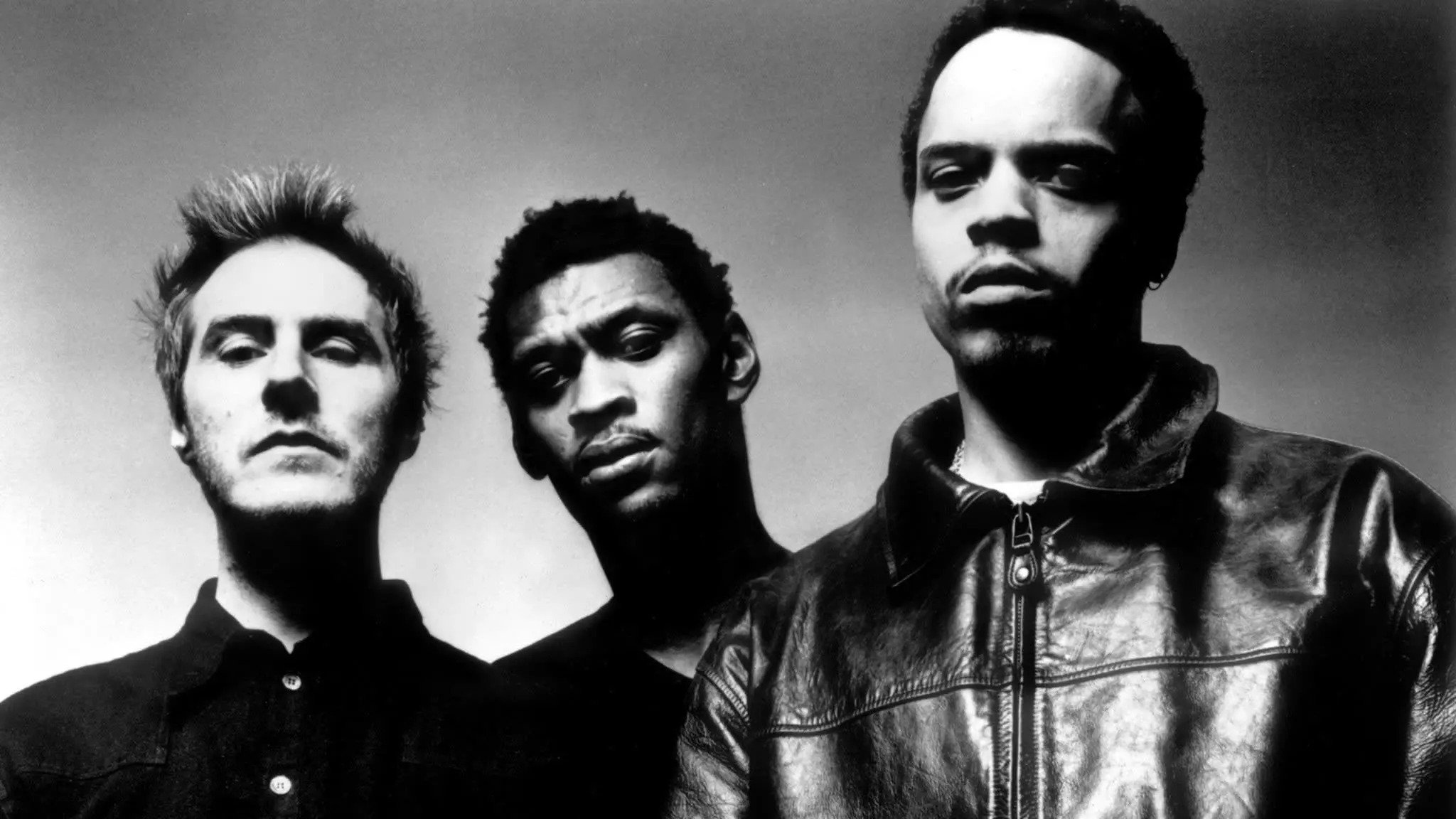
Massive Attack: 3D, Daddy G, and Mushroom
The Wild Bunch disbanded in 1989 following the departure of the individuals listed above, who joined together to form Massive Attack. In 1990, 3D was working with Neneh Cherry and Cameron McVey, who helped fund the recording of Massive Attack’s debut album, Blue Lines, released in April 1991. It was a top twenty success in the UK. “Unfinished Sympathy” was a top twenty single, mixing R&B with beats. “Safe from Harm” was a top forty single and the album’s opening track. The slow build, repeated pulsating bassline, lively drums, and soulful vocals from Shara Nelson and raps from 3D, created a trip hop classic.
Their next LP, Protection (1996) brought trip hop to the masses. The album reached the top ten in the UK and the title track, released as the second single, reached the top twenty. “Sly” and “Karmacoma” also reached the top forty. It was produced by the renowned Nellee Hooper (who also produced Bjork’s Debut album) and included guest vocalists Nicolette Suwoton and Tracey Thorn (Everything But the Girl). Thorn provided a wonderful, soulful dynamic to a moody, trippy composition in “Protection”. This was a combination that proved successful for several trip hop acts, creating an accessible, pop-styled take on trip hop that was embraced by a wide audience.
Mezzanine (1998), the third LP, was arguably the defining album of the genre. It reached #1 in the UK and the top ten in several other countries, though only peaked at #60 in the US. The single, “Teardrop”, featuring vocals from Elizabeth Fraser (Cocteau Twins), was a UK top ten and arguably the best-known trip hop song to this day. It was also popularized as the theme song for the early 2000s American TV show, House.
Massive Attack released five albums up to 2010 and still occasionally tours. All but the debut LP were UK top tens, with two reaching #1. They have had six UK top ten singles, making them the undisputed champions of the trip hop genre.
11. "Play Dead" \ Björk (1993) – Having been a longtime fan of Björk, going back to her days with The Sugarcubes, I was surprised to see her name in my research of trip hop. But once I checked her early ‘90s releases with that perspective in mind, the sonic links were unmistakable. As an artist never willing to stay beholden to one sound and style, plus a fervent use of electronics and experimentation in her craft, it made total sense that Björk would dabble in trip hop. While I wouldn’t include her in the list of creators of the genre, her success and notoriety certainly made her one of the highest profile contributors to the genre.
“Play Dead” was a single released from the soundtrack for the film, Young Americans, concurrent to Björk’s first solo LP after The Sugarcubes, Debut. Co-written by Jah Wabble (Public Image Ltd) and David Arnold, its use of dub beats, swirling strings, and pop style showed trip hop was growing in use. Also, hailing from Iceland, Björk also expanded its geographic footprint.
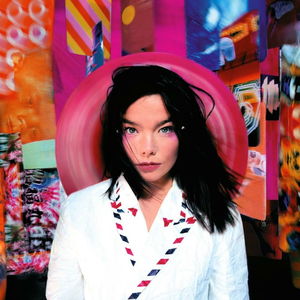
Her next LP, Post (1995), became the most successful album of her career. Packed with sensational singles – three top ten (“Army of Me,” “It’s Oh So Quiet,” and “Hyperballad”) and two top forty (“Isobel” and “Possibly Maybe”) hits in the UK – it was a tour de force of her creativity and talent. She also continued to lean heavily on trip hop vibes on the downtempo tracks as she explored electronica and sampling techniques, serving to broaden the exposure of audiences to the musical style. “Enjoy” was the purest example as a pulsating beat and shimmering synths underpinned her affected vocals, leading to interludes of explosive beats, horn blasts, and sampled sounds.
Björk released one more LP that leaned heavily into trip hop, 1997’s brilliant Homogenic. The mix of beats, electronic experimentation, her enigmatic vocals, and moody compositions made her a leading proponent for the genre. “Hunter”, “Joga”, “Bachelorette”, “Immature”, and “All is Full of Love” were all exquisite trip hop tunes.
Remaining one of the most creative, engaging, and successful artists of her time, Björk has continued to sustain various trip hop components in her music, even if the focus of her sound has moved through other styles such as a capella and EDM.
12. "Sour Times" \ Portishead (1994) – Beth Gibbons and Geoff Barrow joined together in 1991 and began building their distinct mix of hip hop beats, samples, and retro-styled jazz-blues vocals. While they met and worked out of Bristol, both hailed from the nearby coastal town of Portishead, and thus their namesake. Adrian Utley soon joined on guitar and the trio completed recording their debut LP, Dummy, released in 1994.
Portishead’s mix of processed beats with Gibbon’s affecting vocals, the downtempo, moody compositions, mix of modern and vintage blues and jazz, and approachable song structures and melodies made for an intoxicating mix. Like Massive Attack, the pop-styled songs made their brand of trip hop more appealing, as opposed to the more frenetic mix of beats and samples in most other forms of the genre. Of course, as is almost always the case with genre pioneers, Portishead eschewed the trip hop label once given.
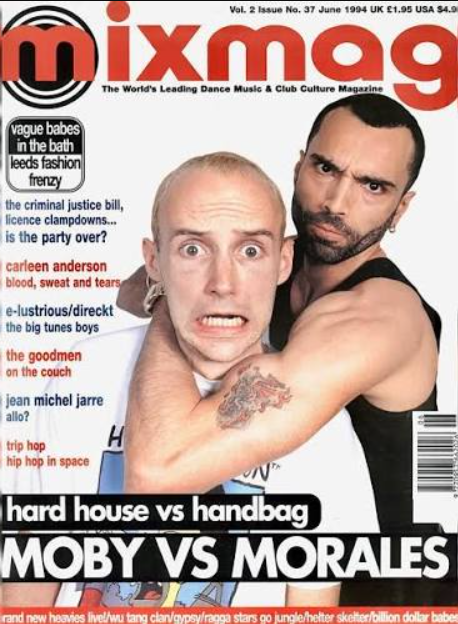
Trip Hop is named
Dummy was released in August of 1994. That June, journalist Andy Pemberton, writing in the UK dance and club music magazine, Mixmag, used the term “trip hop” to describe the single, “In/Flux,” by American artist, DJ Shadow (who we’ll Shadow later in this list). It was a twelve-minute meandering track of downtempo, moody beats and samples. Pemberton’s article is the first known use of the trip hop term. As is usually the case, a genre became identified through those who write about music, usually in the service of identifying and labelling trends. There had already been the ‘Bristol sound,’ but soon trip hop would ascend as the primary descriptor.
Dummy was a surprising success, arriving amid the grunge and the nascent Britpop scenes. Its relation to acid house undoubtedly opened a door. I immediately grabbed onto the album and played it incessantly, being my introduction to trip hop (though I was already inculcated via the tunes by The Orb, Primal Scream, and Bjork). The album was distinct and I thought it was brilliant. Many others agreed, as it reached #2 in the UK albums chart and the top twenty in Canada and many other countries around the world. It did less well in the US, only getting into the top one hundred. After the lead single, “Numb,” failed to gain traction, the band was launched with the success of the subsequent singles, “Sour Times” and “Glory Box,” both of which reached the top twenty in the UK. Dummy was arguably one of the most intriguing and best albums of the 1990s, and a seminal moment for pushing trip hop into wider awareness.
Portishead issued a self-titled album in 1997 that was every bit as good as their debut, equalling it’s #2 peak in the UK chart. In the US, it improved their placing by almost cracking the top twenty. “All Mine” was the lead single and became their one and only top ten UK single, entrenching itself as one of the best songs of the genre.
There followed a hiatus until the trio reunited in 2005, leading to the appropriately titled LP, Third, in 2008. It also went to #2 in the UK and cracked the US top ten, showing that trip hop was still an appealing sound to many. Portishead is yet to issue another LP, with only Barrow’s film work and Beth Gibbons 2024 solo LP on offer since.
13. "Hell is Round the Corner" \ Tricky (1995) – Adrian Thaws, aka Tricky, left Massive Attack after the band’s second LP, Protection. His first solo release was the 1995 album, Maxinquaye (named after his mother). He worked with notable producer Mark Saunders and singer, Martina Topley-Bird, whom he had discovered and produced the single, “Aftermath”, while still with Massive Attack.
Maxinquaye became the next giant from the trip hop scene, blending hip-hop, soul, alt-rock, and reggae with his distinctive raps and Topley-Bird’s arresting vocals. It was also the next album of the genre I played extensively after Portishead, drawn in by the caustic, rocking (and very not trip hop) single, “Black Steel.” The LP reached the UK top ten. And though none of the first five singles charted highly, three cracked the UK top forty.
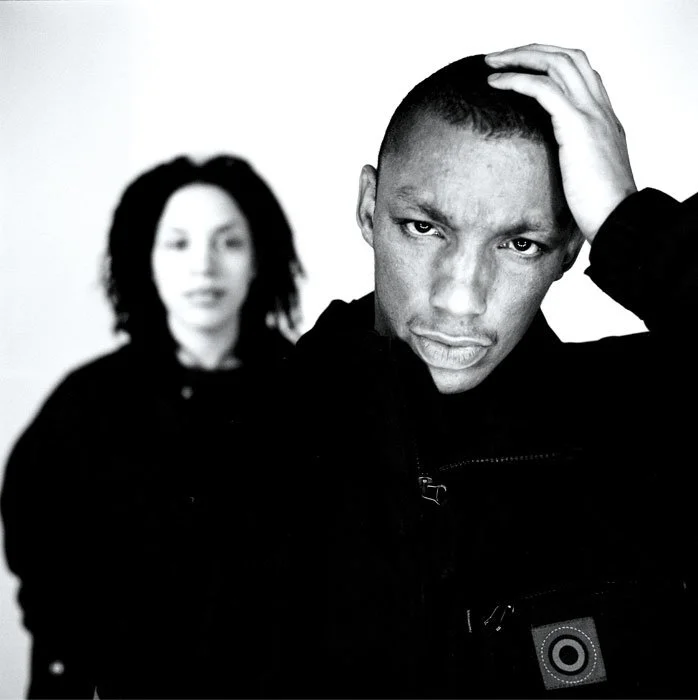
Tricky, with Martina Topley-Bird in background
“Hell is Round the Corner” was effectively issued as the sixth single, though packed into The Hell E.P., which included remixes with US hip hop group, Gravediggaz. The EP gave Tricky his first UK top twenty single. Like Portishead, it deployed the use of scratchy vinyl effects, which lay below Tricky’s slow rap and Martina’s haunting vocals. It all made for a defining trip hop track.
Tricky has issued almost twenty albums, with the first six all reaching the UK top twenty. He has also had nine top UK top forty singles.
14. "Howling" \ Morcheeba (1996) – Brothers Paul and Ross Godfrey were from Kent, England. They teamed with vocalist Skye Edwards to form Morcheeba, releasing their debut LP, Who Can You Trust?, in 1996. It gained some attention and reached the UK albums chart. “Howling” was surprisingly not one of the album’s four singles (“Trigger Hippy” was the most successful release, just reaching the UK top forty), but best captured the band’s mix of soulful vocals and approachable mix of pop and dub. It was quintessential trip hop.
The next LP, 1998’s Big Calm, reached the UK top twenty and then the next two LPs, Fragments of Freedom (2000) and Charango (2002) cracked the top ten. They have now issued eleven albums though have seen line-up changes with Skye leaving from 2003 to 2010 and Paul departing in 2014. Though their impact and legacy are not equal to the likes of Massive Attack and Portishead, they were still one of the most notable trip hop acts of the later ‘90s and early 2000s.
15. "2Wicky" \ Hooverphonic (1996) – Hailing from Belgium, this act was originally called Hoover before expanding it to the appropriately trippy, Hooverphonic. This was also to avoid confusion with other acts and due to some copyright issues with the vacuum company. The core founders were Frank Duchêne (keyboards), Alex Callier (bass), and Raymond Geerts (guitar), who formed the act in 1995 with vocalist Esther Lybeert. However, she left and was replaced by Liesje Sadonius by the time of the debut LP’s recording and release in 1996.
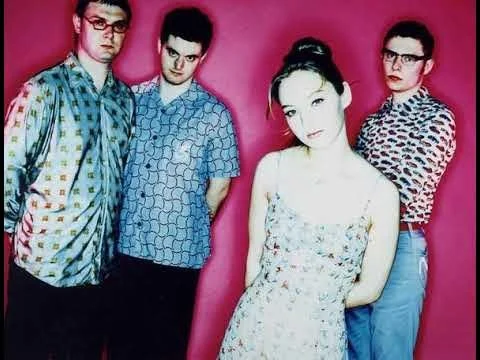
Hooverphonic, circa 1996
A New Stereophonc Sound Spectacular was one of the best trip hop LPs of the decade and perfectly encapsulated the key elements of the genre. It established the band though chart success, like all their subsequent LPs, was primarily in Belgium and mainland Europe. That went for the LP and its singles, despite the excellence of the music. Perhaps it lacked the needed promotion and distribution elsewhere? “2Wicky” was the first single and was one of the best trip hop tracks of the era, channeling the Portishead mix of scratchy blues, catchy beats, and sultry vocals. It remains their only single to reach the UK charts, just getting inside the top one hundred.
Sadonius left after the first LP and the band has featured four different vocalists since, with Geike Arnaert covering the most ground over two stints. Hooverphonic has released a dozen albums and is still going strong. And while the trip hop vibe is often present in their LPs, their overall sound has evolved into more pop and electronica styles. Yet, their early albums are among the best offerings of the genre.
16. "6 Underground" \ Sneaker Pimps (1996) – Liam Howe and Chris Corner were from Hartlepool, England and started in the 1980s as the duo, F.R.I.S.K.. They formed Sneaker Pimps in 1994 to evolve their experimentations in mixing electronics, rock, and folk. Ian Pickering was recruited to write lyrics, and deciding the music needed a female voice (often the case for trip hop), Kelli ‘Ali’ Dayton also joined. Their name was a reference to a guy the Beastie Boys used to obtain collectable sneakers for them.
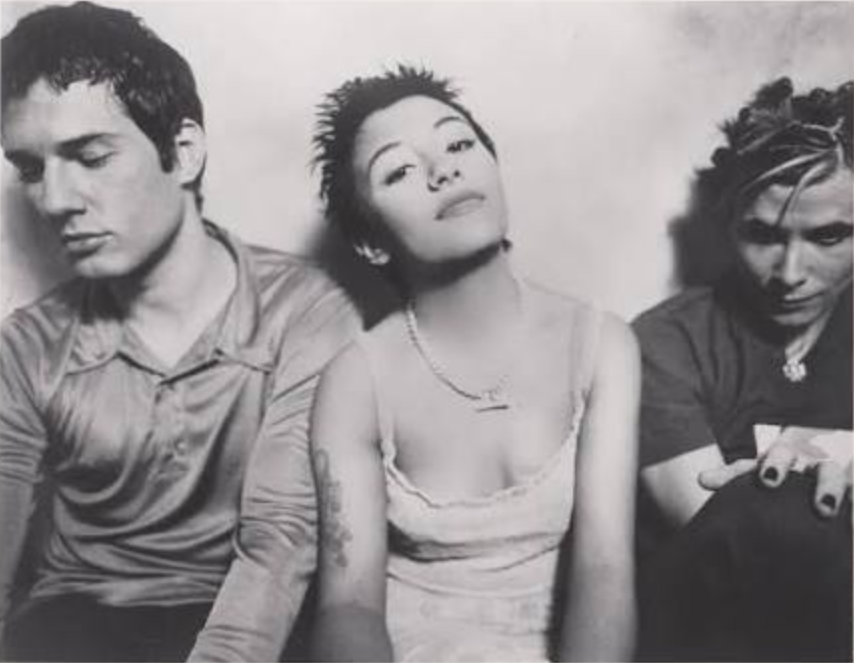
Liam Howe, Kelli Dayton, and Chris Corner
The debut LP, Becoming X, arrived in 1996 and featured many great tracks, “Tesko Suicide”, “6 Underground”, “Post-Modern Sleaze”, and “Spin Spin Sugar”. The album reached the UK top forty and the singles all charted well, including a top ten for a re-release of “Spin Spin Sugar”. Bordering alt-rock and electronica, the album still offered powerhouse trip hop tracks, especially with “6 Underground”. It was as pop and accessible as trip hop could get, leaning more into dub and beats than mixing in jazz or blues. It was catchy, danceable, and the perfect gateway to trip hop.
Ali was fired after the first album as Corner and Howe decided to move the music in a different direction. Sneaker Pimps has never repeated the success and sensation of that first LP.
17. "Lebanese Blonde" \ Thievery Corporation (1998) – Thievery Corporation is the duo of Eric Hilton and Rob Garza, who shared an appreciation for clubbing. Their first release was the LP, Sounds from the Thievery Hi-Fi, issued in Germany in 1996 and then internationally in ’97. They issued it on their ESL label, named after the Hilton’s Eighteenth Street Lounge in Washington, DC, where they’d first met.
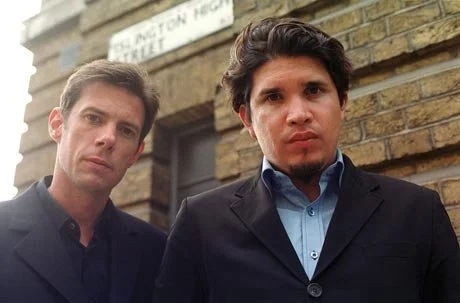
Eric Hilton and Rob Garza
Their moody, downtempo, dub instrumentals shifted with the next single, “Lebanese Blonde”, released in late 1998 and included on their 2000 breakthrough LP, The Mirror Conspiracy. Adding vocals and guest musicians, their sound was broadened, bringing in bossa nova rhythms and sitar accents. The album would include a track with vocals from Bebel Gilberto, daughter of famed Brazilian guitarist, João Gilberto.
The moderate success of The Mirror Conspiracy helped launch the band’s career to a lasting and influential tenure. They have released ten albums as of 2020 and tour regularly to adoring and sizeable audiences. Most of their LPs have reached the top ten in the US Dance chart. Their sound has evolved and shifted lyrically into a more political realm, separating them from the usual vibe of trip hop.
The Multitude
We’ve established the acts that both developed and popularized trip hop. However, the genre ran wide and deep, with many acts toiling in the groove, continuing to evolve and expand its sound. By 1994 and onward, there was an expanding volume of output, from which the following is a selection of the noteworthy acts from that first decade of trip hop. Indeed, though not included in the Creators or Headliners sections, many of these artists were consequential contributors as artists, founders of recording labels, and producers for themselves and others all within the trip hop realm.
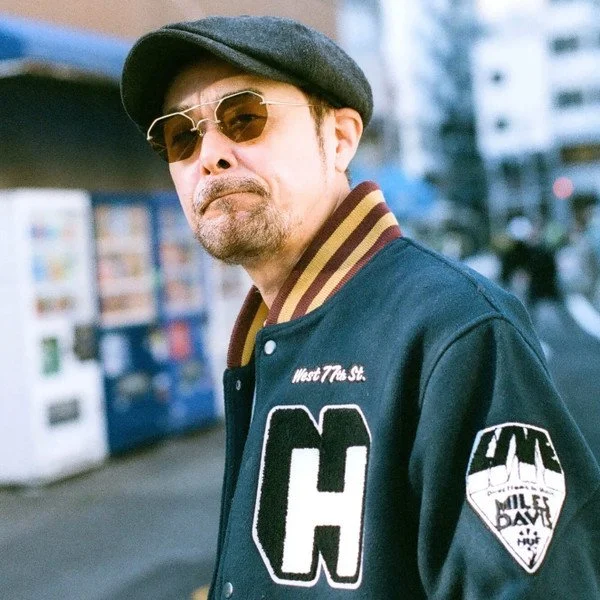
DJ Krush
18. "Keeping the Motion" \ DJ Krush (1994) – Another Japanese contributor, Hideaki Ishi performed as DJ Krush and released his first album, Krush, in 1994. Once a member of the notorious criminal enterprise, Yakuza, he was inspired to switch to DJ’ing and music after getting into early ‘80s hip hop and break dancing. He is recognized as one of the leading builders of the Japanese hip hop scene. His music was first embraced internationally before gaining traction in his native land, buoyed by the rise of the vinyl industry and embrace of turntables in the 1990s. “Keeping the Motion” is from his debut LP and reveals the mix of jazz, hip hop, and beats for which he would be known. DJ Krush has since released over twenty albums, EPs, and compilations, making him one of the more prolific artists of the genre.
19. "Black Jesus" \ 9 Lazy 9 (1994) – Why not bring Italy into this eclectic geography? This Italian septet included a trombonist, guitarist, flautist, and bassoonist, which mixed with the beats and compositions of James Braddell and Keir Fraser. The duo originally toured Europe and the US playing in industrial bands. They settled in Rome in 1992 and shifted into the mix of jazz and hip hop that would define 9 Lazy 9. “Take Nine” was their first single, issued in ’93 and “Black Jesus” followed a year later. Both were included on the debut LP in 1994, Paradise Blown. Two more albums followed in quick succession, before a break and the issuance of two albums in the early 2000s. The early LPs were issued on the Ninja Tune label. Two more albums have come in 2022 and 2024 after another break.
20. "Seashell" \ Skylab (1994) – Skylab was formed in 1993 by Howie ‘B’ Bernstein from Scotland, Mat Ducasse from England, and Masayuki Kudo (aka Love TKO and K.U.D.O) and Toshio ‘Tosh’ Nakanishi from Japan.
Howie B was a DJ, producer, and remixer who had worked on many notable alt-rock albums (we’ll explore him further when we get to his solo work. Tosh had been a member of influential Japanese new wave band, Plastics, who had issued a few albums in 1980 and ’81. He turned to techno and dance music and in 1988, along with Kudo and others, formed the label, Major Force, which helped promote hip hop in Japan.
Skylab combined Ducasse’s experimental use of samples with the Japanese duo’s hip hop stylings dropped them squarely into the trip hop pocket. They released two albums, #1 and #2, in 1994 and 1999, along with a quartet of EPs in between, as well as remixing songs from notable artists such as Depeche Mode. “Seashell” was from the debut LP, and was an intriguing mix of atmospheric samples, funky rhythms, jazzy guitar, and caustic noise. Skylab released singles into the 2000s, with the project ending when Tosh passed due to cancer in 2017.
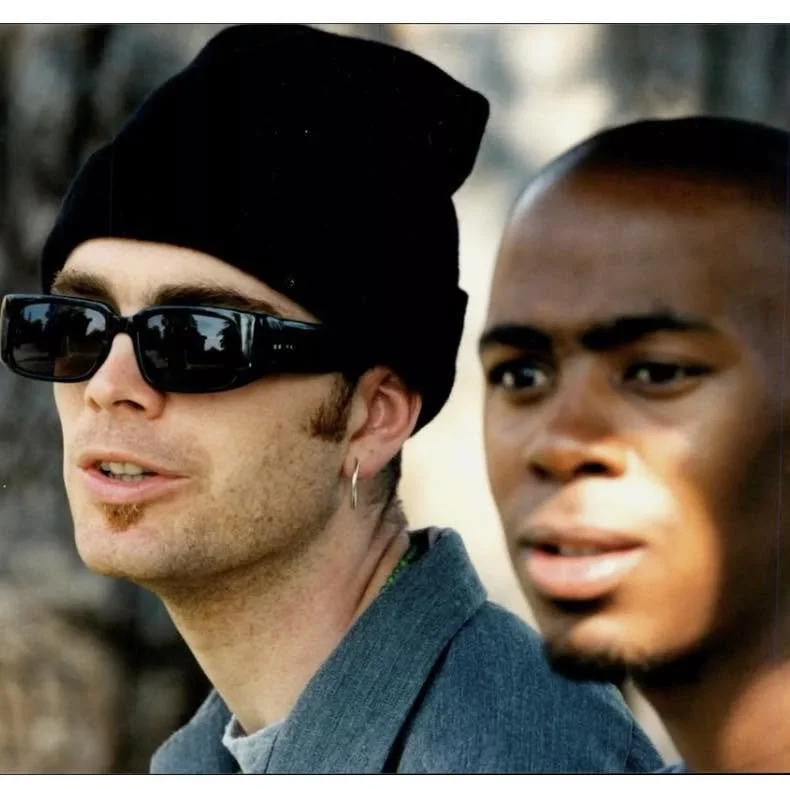
Earthling: Tim Saul and Mau
21. "1st Transmission" \ Earthling (1994) – This is a Bristol duo of rapper Mau and producer Tim Saul, with contributions from multi-instrumentalist Andy Keep. They were connected to the Bristol scene and collaborated with Geoff Barrow from Portishead. “1st Transmission” was the first single, leaning more into the hip hop style. The debut LP, Radar, was issued in 1995. They released another album in 1997 along with a group of singles and EPs, with a couple reaching the lower rungs of the UK singles chart. Re-releases in 2004 came next before another album and associated singles in 2011.
22. "Contemplating Jazz" \ Attica Blues (1994) – Attica Blues was named after the 1972 album by jazz sax player, Archie Shepp. They were formed in 1994 by Brit, Charlie ‘D’Afro’ Dark, and Japanese producer, Tony Nwachukwu. The opportunity to record came after D’Afro met James Lavelle, the founder of influential trip hop label, Mo’Wax Records. Roba El-Essawy, an Egyptian singer attending school in London, joined while they were recording. The first EP, Vibes, Scribes ‘n’ Dusty 45’s, was issued in 1994. It included two mixes of “Contemplating Jazz,” which was a slow, jazzy, vocal composition over disjointed beats. Two albums followed in 1997 and 2000 along with a series of singles and EPs.
23. "Long Road" \ Funki Porcini (1995) – James Braddell was an English musician and filmmaker, who after a ten-year stint in Italy making music for film and television, returned to England and signed with Ninja Tune Records. Performing under the name, Funki Porcini (a play on the name of the Porcini mushroom), he first helped produce the 1994 LP, Electric Lazyland, by 9 Lazy 9, before releasing his debut album, Hed Phone Sex, in 1995. “Long Road” is taken from that LP, displaying the hypnotic, laid back, subtle groove of his trip hop style.
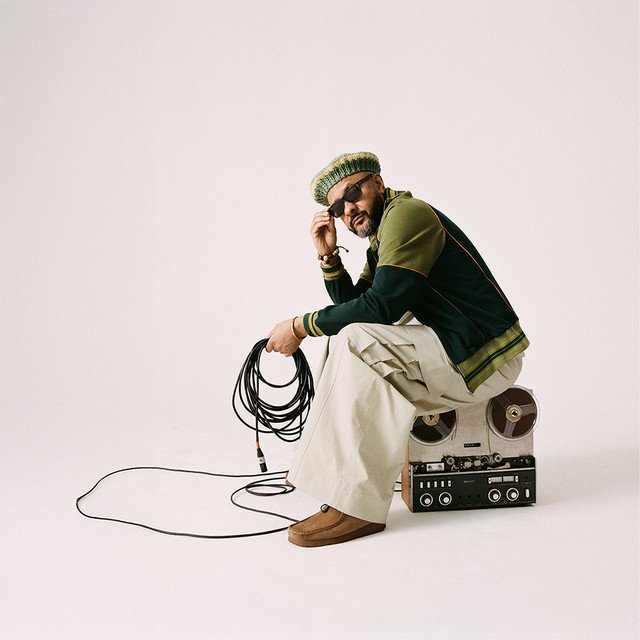
Nightmares on Wax - aka George Evelyn
24. "Mission Venice" \ Nightmares on Wax (1995) – George Evelyn was a DJ from Leeds who performed under the name DJ E.A.S.E. He formed a group in 1988, Nightmares on Wax. Smoker’s Delight (1995) was the second album that also followed several EPs. The LP built on the prior work of sampling over beats but shifted from a more frenetic style into a purer trip hop groove. “Mission Venice” was a good example of the use of retro sounds in the mix, with the track sounding like an update on a 1960s Italian film score. Evelyn and his group have continued to release albums, with the most recent being in 2021.
25. "Spiral" \ DJ Food (1995) – Earlier in this playlist we were introduced to Matt Black and Jonathan More as the duo, Coldcut. They were also the founders of Ninja Tune, the label for many artists on this list.
In 1990, the duo started a project to create “food for DJs,” providing collections of loops, samples, and beats for use in mixing. Naturally, they called the project, DJ Food, and started with a five-volume series of albums, Jazz Breaks, from 1990 to 1995.
The 1995 album, A Recipe for Disaster, shifted to more straightforward compositions. “Spiral” was from that LP, revealing their sample-heavy approach. DJ Food has continued as a loose collaboration of DJs under Black and More’s supervision, though the project is primarily helmed now by Kevin Foakes (aka Strictly Kev).
26. "Scratchy Noise" \ The Herbaliser (1995) – Formed in the early 1990s by Jake Wherry and Oliver ‘Ollie Teeba’ Trattles in London, The Herbaliser was another Ninja Tune act. Wherry got his start in jazz and funk acts and brought those influences into The Herbaliser’s mix. Ollie Teeba was a DJ who provided the beats. “Scratchy Noise” showcased the instrumental approach of jazz laid over dub beats and samples. The Herbaliser released eight albums and more than ten EPs before shutting down in 2021.
27. "Closer" \ Smith & Mighty (1995) – Rob Smith, Ray Mighty, and ‘Peter D’ Rose were DJs and part of the pioneering Bristol Sound in the late ‘80s. They produced and remixed early work by Massive Attack and Neneh Cherry and had charting singles of their own with breakbeat covers of the Burt Bacharach and Hal David tunes, “Anyone Who Had A Heart” and “Walk on By”.
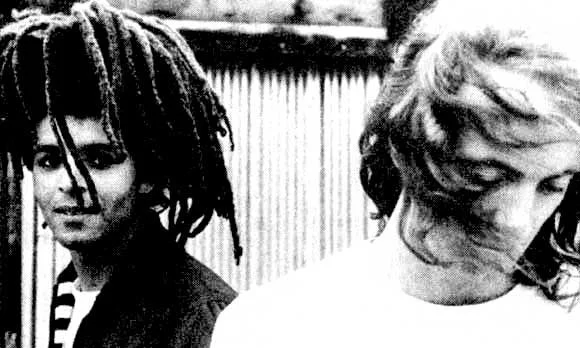
Ray Mighty and Rob Smith
After prior challenges releasing their 1992 LP, Bass Is Eternal, via the ffrr (Full Frequency Range Recordings) label, a sub of London Records, they created their own label, More Rockers, in 1995 and issued the album, Bass is Maternal. “Closer” is from that debut, deploying heavy dub and trance effects into their vibe.
The trio has worked under a variety of names and has continued to produce and remix work individually or as a group. Four LPs have been released under the Smith & Mighty name, with the last in 2018.
28. "Considerando" \ Shantel (1995) – Stefan Hantel was a German DJ who mixed Eastern European music with beats and who performed under the name, Shantel. He opened the Frankfurt club, Lissania, a noted spot for techno. Club Guerilla was his debut LP, released in 1995. “Considerando” leaned into the background dub vibes so essential to trip hop. The track featured vocals by ‘Rosanna & Zelia,’ the Brazilian due of Rosanna Tavares and Zelia Fonseca. Shantel has released a dozen LPs as of 2023.
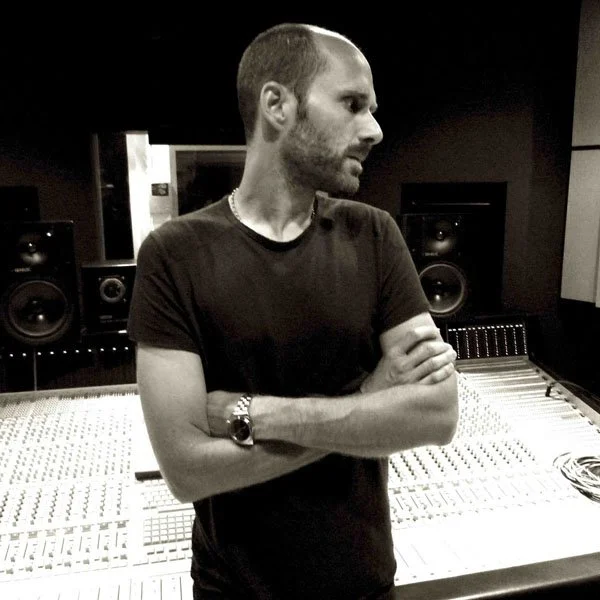
DJ Cam
29. "Mad Blunted Jazz" \ DJ Cam (1995) – More of the laid back, ambient hypnotic grooves come with this one, by Frenchman, Laurent Daumail, aka DJ Cam. He founded the Inflamable recording label. His debut LP in 1995 was Underground Vibes, from which this track is taken. It alternates through jazzy interludes and pure dub trance. DJ Cam has since issued over a dozen LPs and various compilations and is still going.
30. "Hornsey Risin'" \ Rootless (1995) – This was a trio formed in London in 1989. Neil Higgins and Rory Carlile were from Ireland and Justin Underhill was from Leeds. After first releasing an EP, The Mental Spiritual, in 1995, they followed with their first and only album later that year, Rotten Wood for Smoking Bees. Their sound was marked with dub beats, spacey production, and hypnotic, repeated samples. They continued as Dirty Beatniks with a shift fully into house music and album releases in 1996 and 2000 along with a series of EPs.
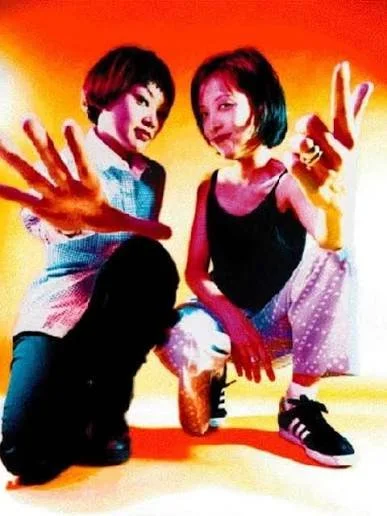
Cibo Matto: Miho Hatori and Yuka Honda
31. "Know Your Chicken" \ Cibo Matto (1996) – Formed in New York City in 1994, Cibo Matto (‘crazy food’ in Italian) was a duo of Japanese transplants, Miho Hatori and Yuka Honda. They had been in a noise rock band, Leitoh Lychee, before creating their own trip hop act. Releasing their debut LP, Viva! La Woman, in 1996, it was a minor hit in the North American alternative music scene and their videos received some play on MTV. I had the CD and it stood out as a unique play within my library. Honda had been a food journalist for a Japanese magazine, which may have been the source for the several food themed song titles on the album. “Know Your Chicken” was one of the LP’s singles that got some attention, along with “Sugar Water,” and displayed the band’s beat and sample heavy compositions and distinctive mix of spoken and sung vocals.
32. "On the Way" \ Howie B (1996) – We were introduced to Howard ‘Howie B’ Bernstein as a member of Skylab. The Scottish musician, producer, and DJ found himself in London in the 1980s after time in a kibbutz in Israel and then the US. His DJ work got him into the studio as a mixer and engineer, working with the likes of Siouxsie and the Banshees, Soul II Soul, U2, and Bjork (including her trip hop influenced work), Massive Attack, and Tricky.
Howie B formed his own label, Pussyfoot, in 1994 and started releasing material with Skylab, as Olde Scottish, and under his own name. His breakbeat mixes of hip hop joined him to the emerging trip hop scene. His production work with the notable roster listed above gained him a deal with Polydor, with which he released his first LP, Music for Babies, in 1996. It was an album built around jazz, house music, and dub. “On the Way” was the closing track. He has since released over a dozen albums, a growing list of remixes, and has had a few charting singles on the UK chart.
33. "Galactic Funk" \ DJ Spooky (1996) – Paul Miller was a DJ out of Washington, DC who performed as DJ Spooky and then as That Subliminal Kid (taken from a William S. Burroughs novel). Drawing on a wide range of influences and collaborators, he was a pioneer in advancing the popularity of DJ compositions as its own artform. His first album was released in 1996, Songs of A Dead Dreamer. “Galactic Funk” is from that LP and represents its title well. DJ Spooky has issued over a dozen albums and EPs and guested on an extensive list of work with others.
34. "I'm Older Now" \ Jay-Jay Johanson (1996) – Scandinavia would seem an ideal environment for trip hop, though other than Neneh Cherry’s birthplace and Bjork, we haven’t seen much input from those nations. Let’s change that with Jäje Johansson, who performed as Jay-Jay Johanson.
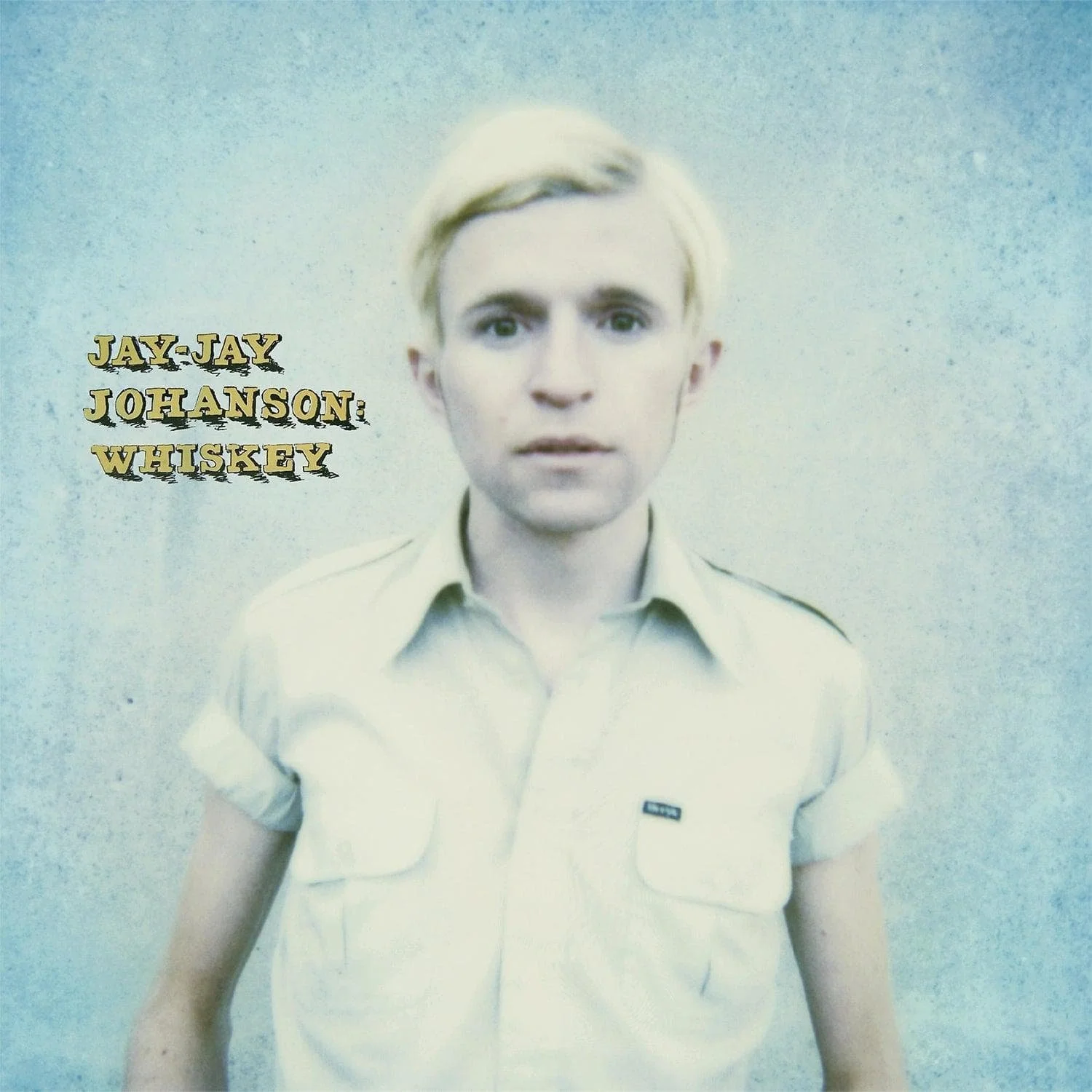
The Swedish singer issued his first LP, Whiskey, in 1996. It spawned two of his most popular singles, “It Hurts Me So” and “So Tell the Girl that I’m Back in Town”. However, the selection for this playlist is, “I’m Older Now”, which best reveals the album’s intriguing mix of melancholy and enervating beats. Johanson often leaned into a showtune, crooner style of vocals over trip hop music, offering a rather unique angle on the style. Other tracks compare well to the Portishead sound. He has also put out danceable, EDM styled tracks, and has released fifteen albums and counting as of 2025.
35. "Ladybird" \ Baby Fox (1996) – There isn’t a lot of info out there about this London trio of Christine Leach, Alex Gray, and Dwight Clarke, putting them on the more obscure side of the genre. They were club friends who formed Baby Fox in the early ‘90s, issuing two LPs, A Normal Family (1996), and Dum Dum Baby (1998). Their sound was deep in the trip hop pocket, as heard on, “Ladybird”, taken from the debut LP. It was sultry, atmospheric, mixed bluesy and spoken vocals, and was punctuated by samples and echoey dub beats. They all went on to collaborate in additional projects after Baby Fox. In particular, Leach went on to work with Nicholas Chamberlain-Hunt as part of the London collective, ALF (Alongside Frank).
36. "The Next Shit" \ DJ Vadim (1996) – Vadim Peare (also known as Daddy Vad) was a DJ who was born in Russia but raised in London. In 1994, he formed a label, Jazz Fudge, from which he issued his debut LP, Headz Aint’ Ready (1995). He then signed with Ninja Tune and issued six LPs from 1996 to 2002, all of which used U.S.S.R. as a prefix in the title, tying back to his roots. Vadim then switched to the BBE (Barely Breaking Even) label, where he has released seven more albums. A prolific collaborator as a DJ along with producing and a stint as a radio presenter, he has had a varied career. “The Next Shit” is taken from the first of the Ninja Tune LPs, U.S.S.R. Repertoire (The Theory of Verticality), released in 1996.
37. "Midnight In A Perfect World" \ DJ Shadow (1996) – Joshua Davis performed as DJ Shadow and, though American, was ingrained in the early UK trip hop scene. He built a legacy that could arguably put him in the Headliners section of this profile.
DJ Shadow started playing with recording and DJ technology in the late 1980s while in high school and college in California. He developed a turntable style based on James Lavelle’s Mo’ Wax label in London, mixing various genres into new collages of music. His early releases were singles and a compilation while remixing and scratching with others’ works. His first release was BASIC Beats Sampler in 1991 via Hollywood Records, a hip hop label.
The first single solely under the DJ Shadow name was, “In/Flux” released in 1993. It gained attention in the UK where the Bristol Sound was gaining traction. As noted in the Headliners section of this profile, Andy Pemberton reviewed the single for Mixmag, labelling it as trip hop and comparing it to the Bristol acts, creating the spark that led to the genre gaining its name. It was also the connection wherein Shadow was connected to none other than James Lavelle, who issued “In/Flux” on the Mo’ Wax label. This led to Shadow working with DJ Krush and then Lavelle’s act, UNKLE.
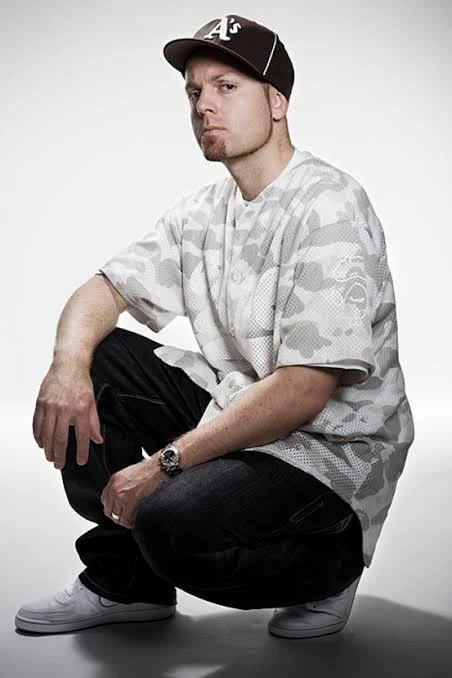
DJ Shadow
Shadow’s first album came in 1996, titled Endtroducing. It was the first album ever to be built entirely on samples, a claim verified by Guiness World Records in 2001. The LP included a remix of his breakthrough 1995 single, “What Does Your Soul Look Like”, which had reached #59 on the UK singles chart. That success was outdone by the album’s first single, “Midnight in A Perfect World”, which reached #54. The album reached the UK top twenty.
DJ Shadow has released seven LPs and continues to work with others as a producer, remixer, and collaborator. Five albums have reached the UK top forty, with one of those cracking the top ten. He has established himself as one of the more successful DJ and trip hop acts of his time.
38. "Crusoe Takes A Trip" \ Red Snapper (1996) – Formed in London in 1993, Red Snapper is a collective based on the foundation of the trio, Richard Thair, David Ayers, and Ali Friend. After releasing three EPs on the Flaw Recordings label, they released their first LP, Prince Blimey, in 1996 via Warp Records. That was a label formed in the ‘80s out of Sheffield, inspired by Factory Records and focused on electronic and experimental music. Nightmares on Wax was an early artist on the label. Red Snapper has released six LPs. “Crusoe Takes A Trip” is from the debut LP, evidencing their jazzy flavouring and instrumental compositions.
39. "Nothing Else" \ Archive (1996) – The number of trip hop acts that span multiple genres and have sustained lengthy careers is impressive, likely because they are mostly formed around one or two individuals as opposed to groups.
Archive was formed in London in 1994 and has issued thirteen LPs, spanning various forms of electronic music from trip hop to prog and shoegaze. However, their line-up has evolved over their three decades, which is why the sound has shifted over time. Darius Keeler and Danny Griffiths founded the act and have been the mainstays.
The first iteration was a quartet with vocalists Roya Arab and Rosko John and the sound was purely trip hop. Roya was an Iranian singer who moved to the UK to escape the 1979 Iranian revolution. When Archive signed to Island Records, she was the first Iranian women to be signed to a western major label. Rosko was a rapper, and after a false start that saw the band break up and then reform, they issued their debut LP, Londinium, in 1996. “Nothing Else” revealed Roya’s lovely, dramatic vocals with slight, Arabic influence.
Keeler and Griffiths recorded the next LP, Take My Head (1999), with vocalist Suzanne Wooder, beginning the revolving door of collaborators in Archive. They moved away from trip hop on the third album, You All Look the Same to Me (2002), and continued the evolution over more than a dozen LPs.
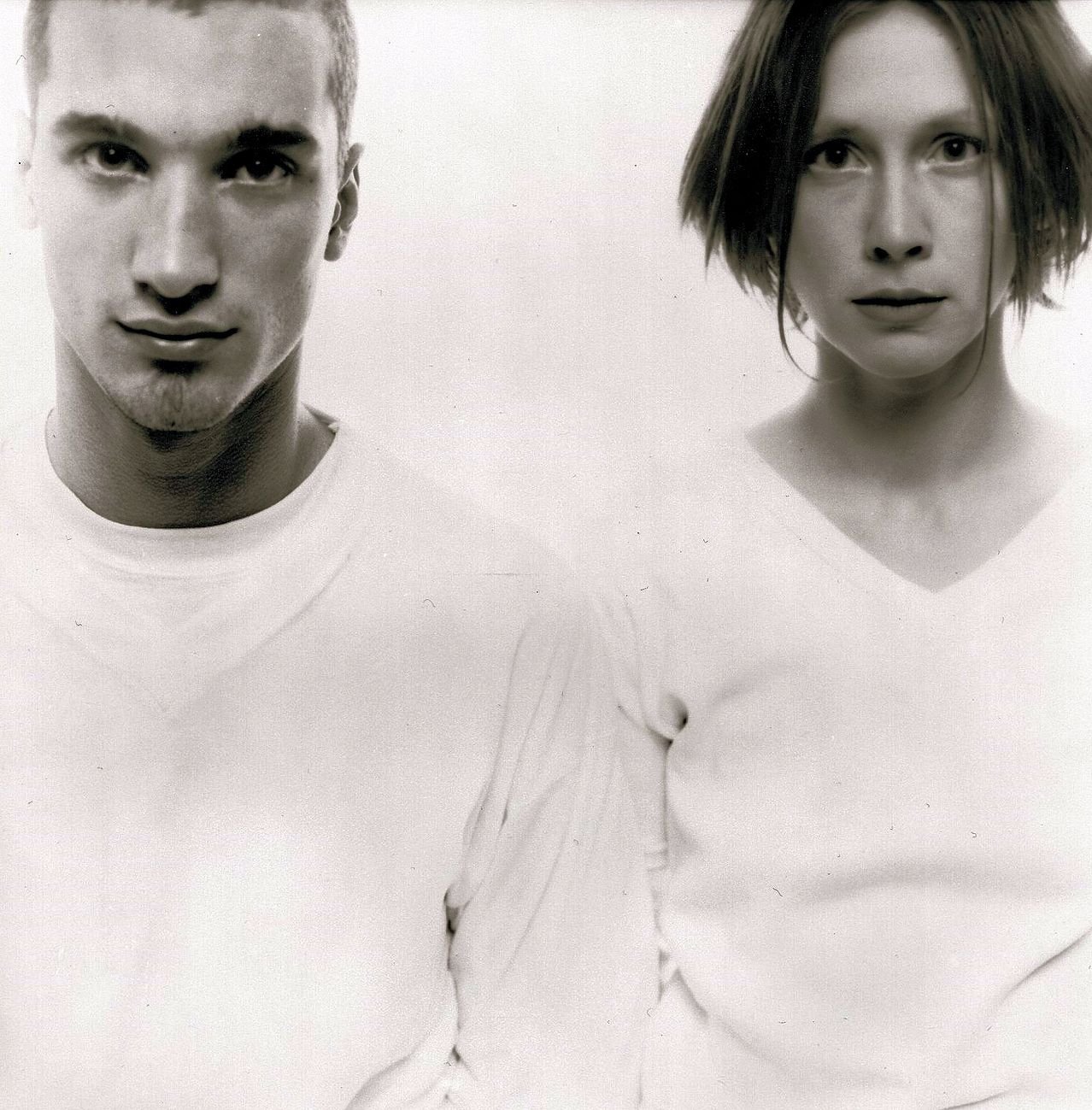
Lamb: Andy Barlow and Lou Rhodes
40. "Lusty" \ Lamb (1996) – Manchester has a long musical history, and when producer Andy Barlow and singer Louise ‘Lou’ Rhodes formed Lamb in 1996, they became part of that legacy. Working with various collaborators, Lamb has issued seven LPs, having taken breaks and reformed at various times. The self-titled debut LP was released in 1996, from which “Lusty” is taken. Break beats, jazzy inflections, and Rhodes blues-jazz vocals put the music firmly in the trip hop pocket.
41. "This Time" \ Olive (1996) – The trio, Olive, also had a Manchester connection via Tim Kellet, who came out of the city’s rich history via stints in The Durutti Column and Simply Red. However, it was in London in 1994 that he joined with Nightmares on Wax member, Robin Taylor-Firth, and then reached back to his Durutti Column days to recruit singer, Ruth-Ann Boyle. After recording demos, they signed with RCA in 1995 and released their debut LP, Extra Virgin, in ’96. Only one other LP would follow, Trickle, in 2000. “This Time” is from the debut, offering a pop styled, danceable take on the trip hop sound. However, it was the single from the album, “You’re Not Alone”, that put the band on the map, becoming a #1 UK single, though not as a trip hop act down to it being remixed and re-released as a disco anthem in 1997.
42. "Casino ‘Sans Pareil’" \ The Wiseguys (1996) – The Wiseguys was formed in London in 1994 as the duo of Theo ‘Touché’ Keating and Paul ‘Regal’ Eve. They had worked together previously as producers in the UK underground hip hop scene. The debut was a 1994 EP, Ladies Saw Ow!, followed by the first LP, Executive Suite, in 1996. “Casino ‘Sans Pareil’” was the third single from the LP and reached the UK singles chart. The instrumental was built around beats, horns, and a catchy, recurring synth line with a ‘50s Euro vibe. One more LP, The Antidote, was released in 1998. Regal left mid-recording, resulting in it being a mostly solo effort by Touché. That album featured the single, “Ooh La La”, a UK #2 hit spurred by its use in a Budweiser commercial. Both Regal and Touché have continued with solo work since winding down The Wiseguys.
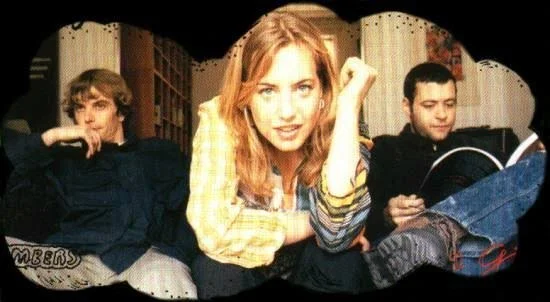
Smoke City
43. "Underwater Love" \ Smoke City (1996) – Though a trio hailing from London, Smoke City’s penchant for samba and bossa nova styles along with Portuguese lyrics gave their trip hop vibe a more international flair. Those influences derived from founder and Brazilian émigré, Nina Miranda, who joined with former schoolmate, Mark Brown and guitarist Chris Franck. Miranda and Franck were also a couple, having two children before parting in 2000. Though only issuing two albums, Flying Away (1997) and Heroes of Nature (2001), they had a hit with the single, “Underwater Love”. Sources are conflicted on whether it was first issued as a single in 1995 or 1996, but it was ‘97 when it became a hit after its inclusion in a Levi’s commercial featuring mermaids, reaching #4 in the UK singles chart.
44. "Five Miles High" \ Tranquility Bass (1997) – Michael Kandel hailed from Chicago, but his recording career was based in Los Angeles. He first studied at the Chicago Academy for the Arts, then at the California Institute of the Arts (CalArts). He performed under the name, Tranquility Bass, which I assume was a play on Tranquility Base, the site of the first moon landing. His start was with Tom Chasteen when they formed a label, Exist Dance, in 1991, from which they released several singles. The 1993 single, “They Came in Peace”, gained attention in the trip hop scene.
Chasteen moved to Tucson, Arizona in 1994 and Kandel continued, collaborating with others and reportedly decamping to a remote island off British Columbia that led to the release in 1997 of the album, Let the Freak Flag Fly. The LP was a mix of funk, blues, folk, and psychedelia, putting out a more energetic variant of trip hop. “Five Miles High” offered a good example of the mixed styles. Despite muted response to the LP, Kandel remained a reclusive, lauded pioneer of the trip hop scene, eventually leading to another album in 2012, Heartbreaks & Hallelujahs. He passed away in 2015 at age forty-seven for reasons not disclosed.
45. "Drinking in L.A." \ Bran Van 3000 (1997) – Canada has not been a significant contributor to trip hop, however, the collective Bran Van 3000 provided a classic entry with their 1997 debut album, Glee. Coming out of Montreal, James Di Salvio and E.P. Bergen worked with various others to combine beats, raps, and soulful mixes to provide an eclectic take on the sound. Their name was a play on the Swedish term for liquor, Brännvin. The album included a sublime take on the tune, “Cum on Bring the Noize”.
“Drinking in L.A.” was their first single and reached the Canadian top forty in 1997. It also reached the UK top forty in ’98 before returning to a #3 spot in ’99 after its inclusion in a Rolling Rock beer ad. The tune’s laid back, beat groove underpinning the soulful, bluesy vocals of Haitian born Stephane Moraille was a fantastic combination, providing one of the catchier, accessible entries in the trip hop oeuvre.
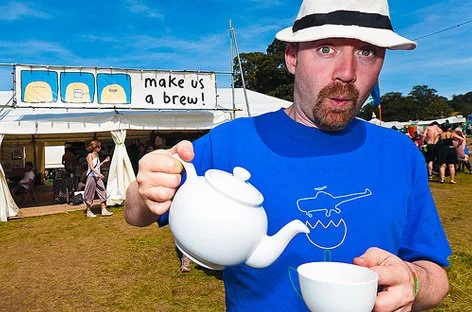
Andrew Carthy - aka Mr. Scruff
46. "Jazz Potato" \ Mr. Scruff (1997) – Andrew Carthy is another contributor from Manchester. Born in nearby Macclesfield, he studied fine art at Sheffield Hallam University. His DJ’ing career started in 1992, adopting the name Mr. Scruff due to his facial hair. His first release was a 1995 single, “Hocus Pocus”, and he has since released seven albums. The first was in 1997, a self-titled LP that dwelled in the samples and beats of his DJing skills. “Jazz Potato” was a track on the LP that captured his danceable groove. His peak success came with the 1999 single, “Get A Move On!”, a dance track that riffed on a catchy sax sample from the 1969 song, “Bird’s Lament”, by American composer Louis ‘Moondog’ Hardin.
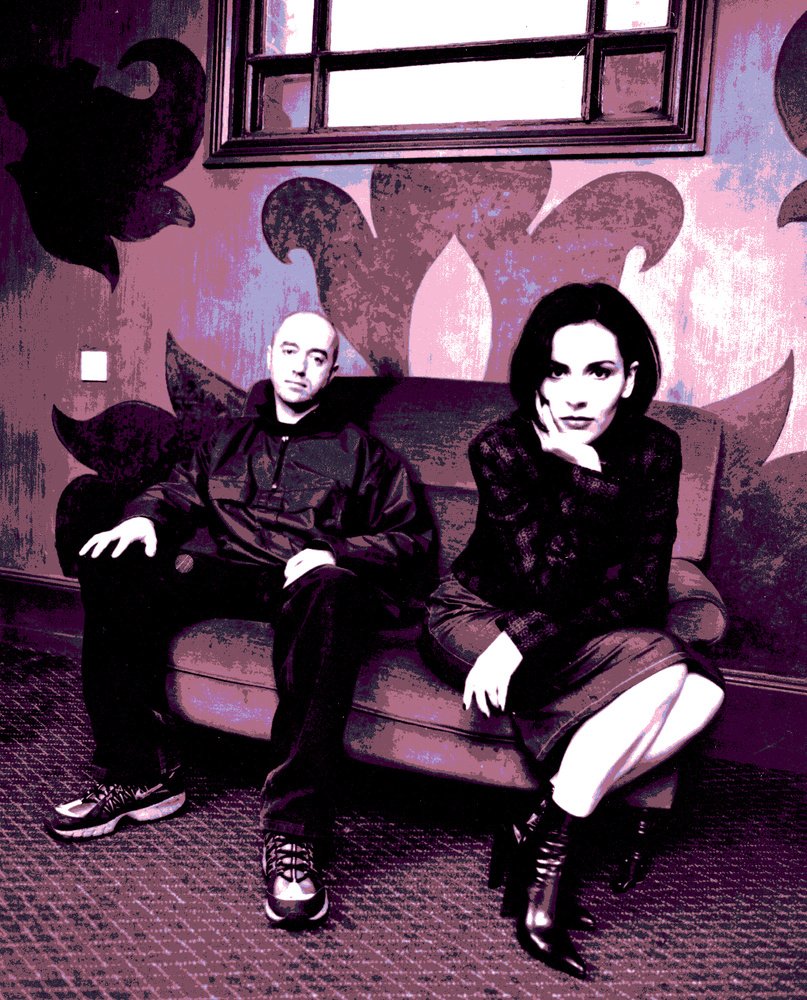
Martin Virgo and Siobhan de Maré of Mono
47. "Life in Mono" \ Mono (1997) – Back to London and the duo of singer, Siobhan de Maré, and keyboardist and producer, Martin Virgo. Formed in 1996, Virgo, a classically trained musician, had been a part of Nellee Hooper’s team, leading to his involvement in recordings by Massive Attack and Björk. Siobhan was a session singer for R&B and hip hop acts, so their combination naturally resulted in a mix of pop, R&B, and hip hop. With a sound harkening back to 1960s film, they established their own brand of trip hop. Performing as Mono, they only issued one album, Formica Blues, released in 1997. The lead single was “Life in Mono”, issued earlier as an EP in late ’96. Its inclusion in the 1998 film, Great Expectations (apparently Robert De Niro was a fan!?), led to some minor chart success in the UK and US. The song’s mix of James Bond-esque strings and ‘60s pop keyboards gave it a catchy hook.
As this playlist is making apparent, many trip hop acts were small in numbers, with many solo and duo acts. While there have been a few collectives, even they have tended to revolve around one or two key people. This was indicative of two things: first, the predominantly electronic, sample-rich, and studio-based nature of the music, and then, because of that, the ability for one or two people to produce a full band sound. This was parallel to the growth of what would become EDM in the early 2000s. Trip hop can be scene as a branch of that evolving universe of modern electronic music that started in the late ‘80s, evolved through the ‘90s, and exploded in the new century.
48. "A Grand Love Theme" \ Kid Loco (1997) – And with that, we meet solo artist, Jean-Yves Prieur, a French musician, DJ, and producer. Other than being a rare contributor from France on this playlist, his background was also rather different, having been known as Kid Bravo and playing in punk bands such as The Brigades. He also started two recording labels, Rock Radicals Records and then Bondage Records. He then issued a 1988 single as Medicine Man Sioux before creating a band, Mega Reefer Scratch, which saw his turn into jazz, dub, soul, and funk. His entry into trip hop came naturally when he finally went solo in the 1990s as Kid Loco.
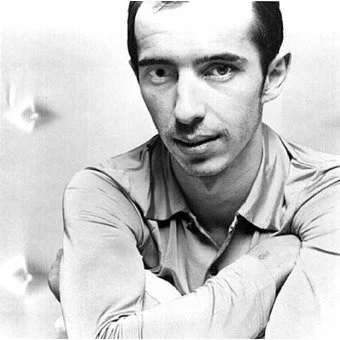
Jean-Yves Prieur \ Kid Loco
Therefore, by the time of his first Kid Loco release, the mini-LP Blues Project released in 1996, he was forty-two years old. A veteran compared to most on the scene. His first full LP, A Grand Love Story (1997), brought him greater attention. His mostly downtempo compositions utilized electronic strings to create what most described as cinematic. His work remixing and\or producing the likes of Saint Etienne, The Pastels, Mogwai, and Jarvis Cocker brought him further success.
Kid Loco has released seven albums, with the last in 2019. “A Grand Love Theme” is naturally taken from A Grand Love Story, exemplifying his key sonic palette with the strings and languid delivery.
49. "Somewhere Not Here" \ Alpha (1997) – Corin Dingley and Andy Jenks were part of the Bristol scene, forming Alpha in 1995 with the addition of vocalists Hannah Collins and Wendy Stubbs. Their first album, Come from Heaven, was released via Massive Attack’s label, Melankolic, in 1997. The sound was very Bristol – especially similar to Portishead – with blues vocals over vinyl scratch effects, mellow mixes of jazzy percussion, and lush strings. “Somewhere Not Here” is from that first LP, exemplifying their sultry sound. They have since issued over a dozen more LPs, with Jenks having departed the band around 2007.
50. "Sofa Rockers" \ Sofa Surfers (1997) – For this act, we turn to Vienna, Austria, where in 1997 this quartet launched their career with the single, “Sofa Rockers”. It was followed by the debut album, Transit, in the same year. Their music has invited interest with remixes from many trip hop luminaries such as Richard Dorfmeister and Howie B. They moved into film scores in the early 2000s. “Sofa Rockers” revealed mixes of dub, ska, frenetic beats and samples, creating a more challenging sonic experience than most other trip hop acts. Other tracks on ensuing albums would venture more into the late ‘90s electronic rock sounds akin to Chemical Brothers or Prodigy, though didn’t range too far from the spacey, slower tempos of their core genre.
51. "Airborn" \ Minus 8 (1997) – Robert Jan Meyer hailed from Zurich, Switzerland and started his career as a bass player in funk bands. Turning to DJ’ing, he developed within the drum and bass style. His first release as Minus 8 was on DJ Cam’s Paris label, Inflammable. This started his move into trip hop, mixing jazz and Latin rhythms into his drum and bass foundations. “Airborn” is from the first album, Beyond (1997), displaying the more energetic use of beats in his mix. Meyer has issued eight albums as Minus 8, with the last being in 2017.
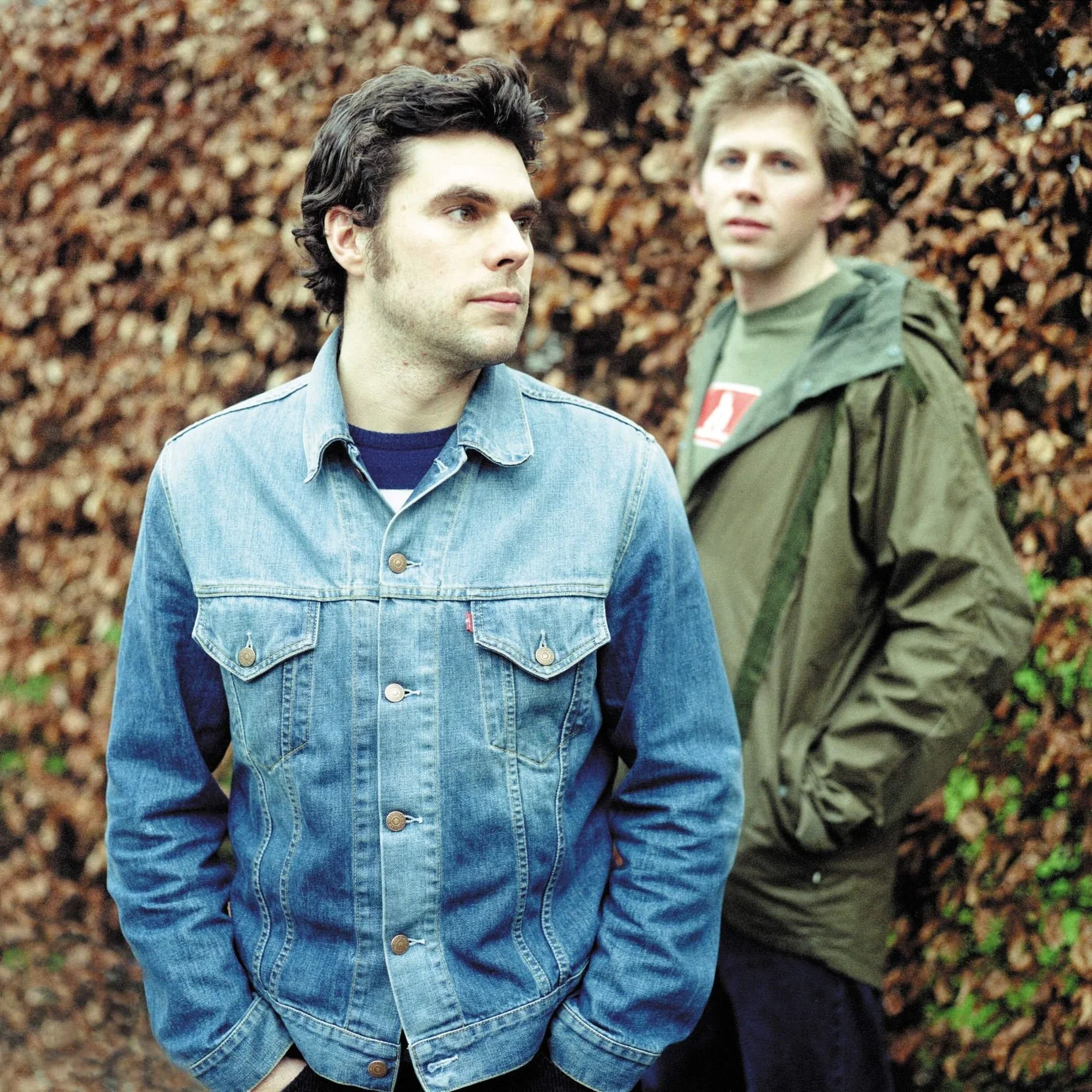
Groove Armada: Tom Findlay and Andy Cato
52. "At the River" \ Groove Armada (1997) – Back to England and the duo of Andy Cato and Tom Findlay, aka Groove Armada. Cato was an acclaimed trombone player while Findlay played in funk bands while working in PR and journalism. The pair first came together running a club night in London, ‘Captain Sensual at the Helm of the Groove Armada’, with Cato playing house music in one room and Findlay spinning funk in another. They soon came together in one room, mixing their styles, and Groove Armada was born.
They began issuing singles, with three coming out in 1997, including “At the River”, which scored them a UK top twenty. The jazzy drums and horns, stirring electronic strings, and sampled vocals of Patti Page’s, “Old Cape Cod” (1957) made for an intriguingly off-kilter yet alluring mix. The first LP, Northern Star, was released in 1998. Groove Armada has since released nine albums and their music has been used frequently in film, TV, and commercials, while they have also produced and remixed music for an impressive list of artists.
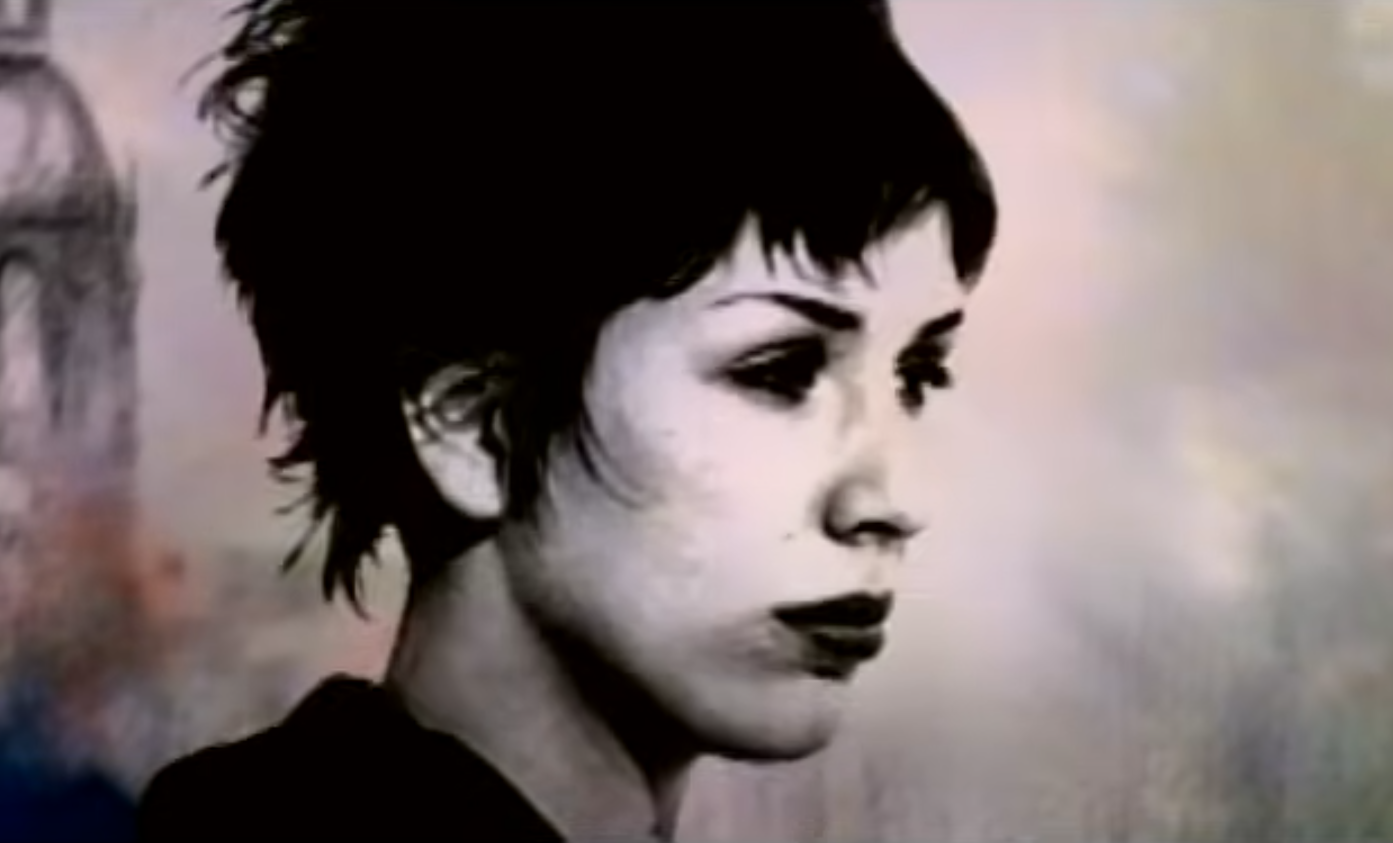
Esthero, in a clip from the “Heaven Sent” video
53. "Heaven Sent" \ Esthero (1998) – Canadian, Jenny-Bea Englishman, is a singer who performs as Esthero. The name is a combination of ‘Esther’ and ‘hero’ and was inspired by the poem, “The Bell Jar”, by Sylvia Plath. She started her career in Toronto when paired with producer, Martin ‘Doc’ McKinney. Their first album was released in 1998, Breath from Another. Though her sound could dwell as much in the rock and pop realms, the mixes of genres, electronic beats, and her jazz-blues vocals fit well in the trip hop mold. While the album started slowly, eventually it caught on with singles such as “Heaven Sent” gaining traction on Canadian radio thanks to its rock guitar crescendos, tying it to similar female sensations of the time such as Bjork and fellow Canadian, Alanis Morrisette. Eventually parting with McKinney, Esthero has released three albums while guesting on an extensive list of works by others. Her 2003 single, “O.G. Bitch”, scored her a #1 spot on the US Dance chart.
54. "Sing It Back" \ Moloko (1998) – Sheffield, England was a principal contributor to the rise of modern electronic music with the likes of The Human League, Cabaret Voltaire, Heaven 17, Clock DVA, and Thompson Twins. Continuing in that tradition was the duo of Mark Brydon (producer) and Róisín Murphy (vocals), who performed as Moloko. Murphy was Irish born but whose family moved to Manchester when she was twelve. Steeped in the indie rock of the region, she moved to Sheffield at age nineteen, where she met Brydon at a party in 1994 and they began dating and recording together.
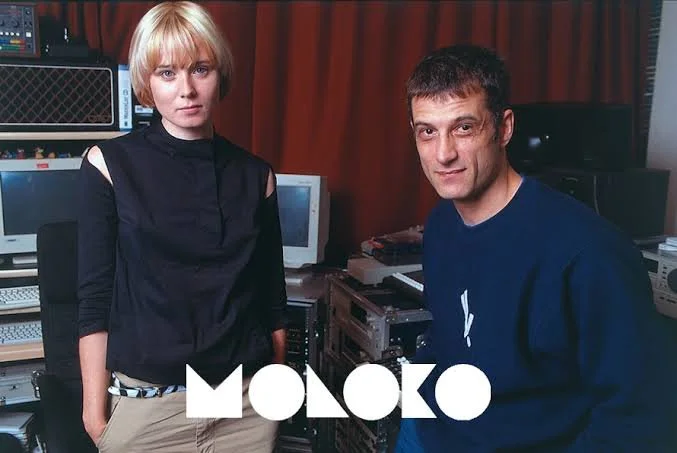
Moloko’s first LP came out in 1995. It was titled, Do You Like My Tight Sweater?, which was the line Brydon first used on Murphy at that party. The album was electronic and dance oriented and featured the top forty UK single, “Fun for Me”. The next LP, I Am Not a Doctor, was issued in 1998. While it also leaned to an electronic dance format, the heavy use of drum and bass, Róisín’s soul-jazz vocals, and frequent spaced out, dub-styled compositions dropped it as comfortably into the trip hop realm. “Sing it Back”, from that second LP, was similarly as successful as the other singles, reaching just short of the UK top forty. However, a disco-style remix, re-issued as a single in 1999, delivered them a top ten hit. This was a another theme in trip hop, in that tracks seemed amenable to transition into more accessible dance versions.
Moloko continued to dwell more in the electronic, dance, and soul styles than trip hop over two more albums, Things to Make and Do in 2000 and Statues in 2003. Two more UK top ten singles were achieved with “The Time is Now” (2000) and “Familiar Feeling” (2003). The couple ended their romantic relationship after the second LP, but issued the third to complete their contract before disbanding at the end of a 2004 tour. Both pursued solo careers, with Murphy having issued six LPs while Bryden has focused on DJ and studio work.
55. "Be There" \ UNKLE (1998) – This act was the vehicle for James Lavelle. He got his start in his hometown of Oxford running a night club called, Mo Wax, before moving to London where he’d also worked in a record store. He formed a label, also called, Mo Wax, in 1992, which went on to release music by the likes of DJ Shadow, DJ Krush, and Attica Blues, putting the imprint at the centre of the trip hop movement.
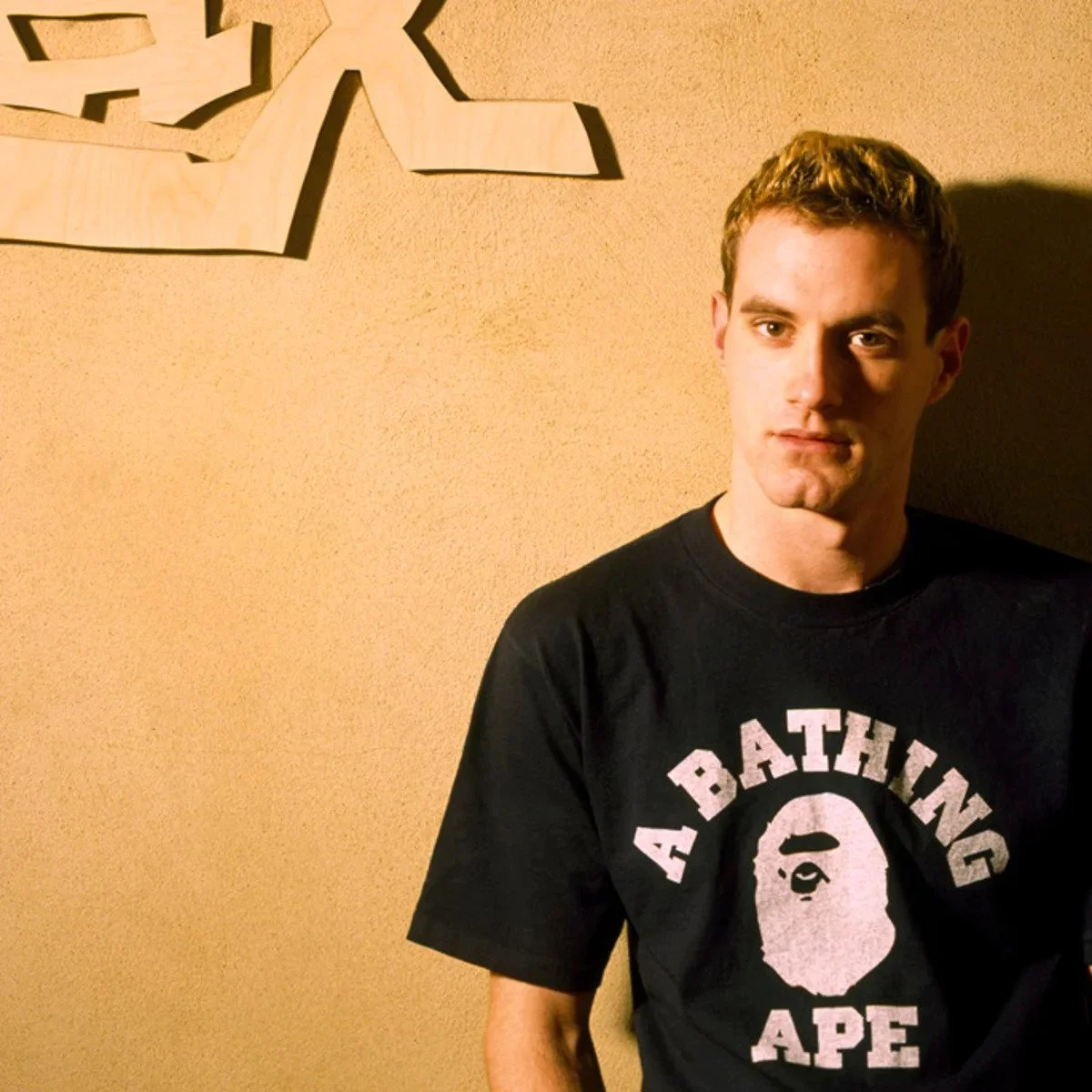
James Lavelle: trip hop pioneer as the founder of Mo Wax Records, producer, and the artist, UNKLE
Lavelle also did production work in partnership with Tim Goldsworthy. They started releasing music, first as Men from U.N.K.L.E., and then as just, UNKLE (or U.N.K.L.E.). They also worked with Toshio Nakanishi from the act, Skylab. After issuing a few singles, UNKLE released their debut LP, Psyence Fiction, in 1998. It featured notable guest vocalists such as Richard Ashcroft (The Verve), Damon Gough (Badly Drawn Boy), Thom Yorke (Radiohead), Mike D (Beastie Boys) and on the single, “Be There”, Ian Brown (The Stone Roses). The single and LP both reached the UK top ten with its danceable rhythms and pop-styled vocals.
UNKLE has operated over a few different time periods, with Lavelle being the only constant. He has released five albums and eight EPs.
56. "Swimming Pool" \ Rae & Christian (1998) – Mark Rae and Steve Christian came out of Manchester, England, having met while working in the same recording studio. Primarily producers, they also had their own label, Grand Central Records, through which they released their music starting with the 1995 EP, Pure Arithmetic. The first LP was Northern Sulphuric Soul (1988), on which “Swimming Pool” appeared. It was a hypnotic mix of hip hop, dub, and soul which featured numerous guest contributors. Two more LPs followed in 2001 and 2013, but the duo never broke through commercially. Most of their focus has been on producing and remixing the output of their label and other artists, such as Natalie Imbruglia, Manic Street Preachers, and Simply Red.
57. "Angels" \ Wax Poetic (feat. Norah Jones) (1998) – It’s been a while on this list since hearing from the US, and with that we check in on Wax Poetic, a New York band formed in 1997. Founded by Turkish sax and keyboard player, Ilhan Erşahin, the group came together via jams at the East Village club, Save the Robots. Their first releases were via indie Turkish label, Doublemoon Records, with the debut being the 1998 LP, Three. Signing with Atlantic Records, the same LP was issued in the US as a self-titled release in 2000. The single, “Angels”, featured Norah Jones on vocals, prior to her breakout success in 2002. Five more LPs followed from Wax Poetic, with Erşahin as the sole constant member.
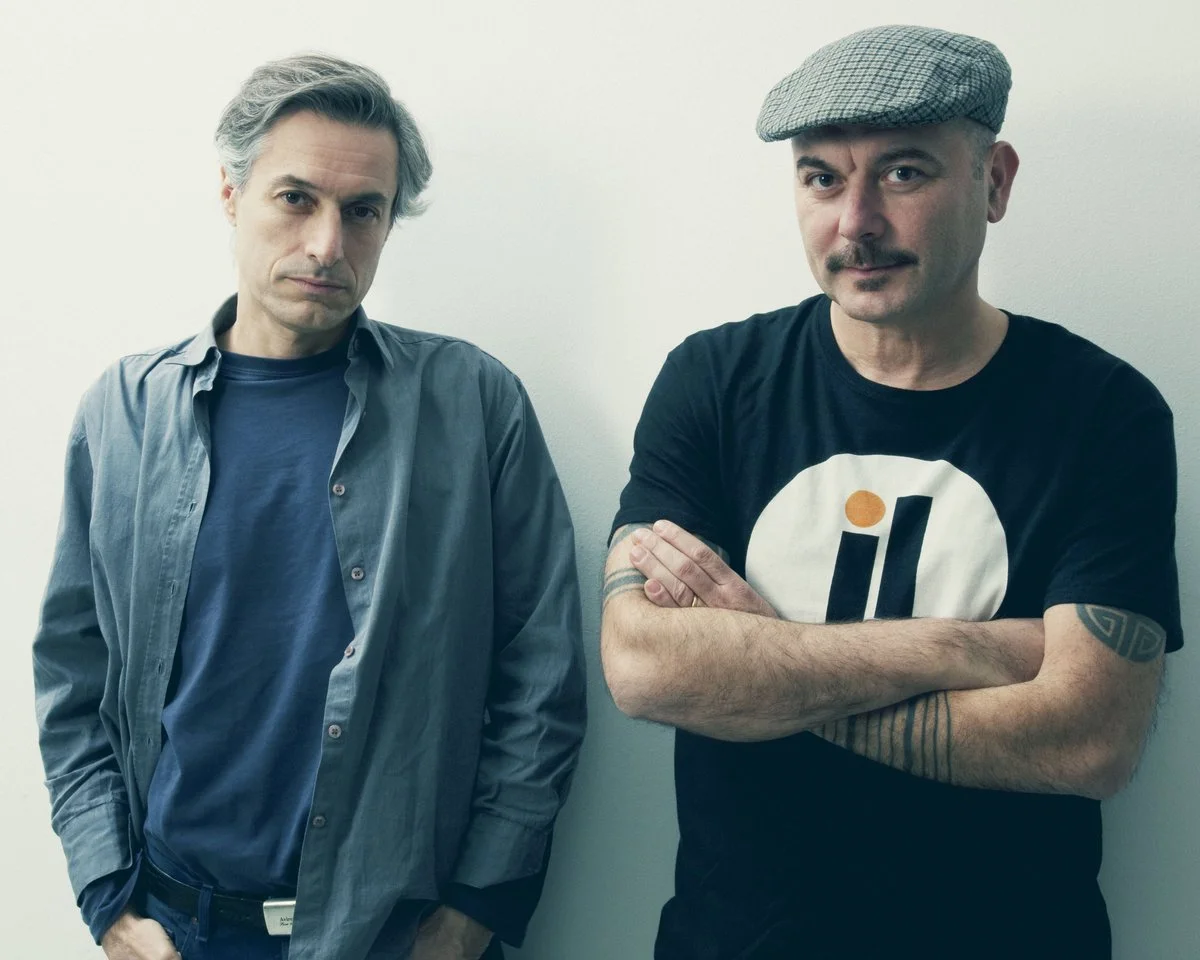
The Dining Rooms: Cesare Malfatti and Stefano Ghittoni
58. "Triste, Solitario Y Final" \ The Dining Rooms (1999) – Over to Italy for the third act from that country on this playlist. The Dining Rooms was the Milan-based duo of Cesare Malfatti and Stefano Ghittoni. They both came out of alt-rock and punk bands before coming together as producers of downbeat electronic music in 1998, placing them in the trip hop category. Subterranean Modern Vol. 1 (there never appeared to be a vol. 2) was their first LP, released in 1999. “Triste, Solitario Y Final” was the album’s closing track and perfectly captured the bands pure trip hop vibe. They had two releases, The Numero Deux EP (2001) and Tre (2003) released via Chicago label, Guidance Recordings, for some US exposure. Most of their output has been via the Italian label, Schema. The duo has released fifteen LPs as of 2024.
59. "Bombing Bastards" \ Terranova (1999) – Terranova was formed in Berlin in 1996 by the DJ, Fetisch (Dietrich Bergmann). After spending time in New York and then a stint working with UK hip hop act, The Stereo MCs, Fetisch returned to Berlin and joined with pianist, Marco Meister, and graffiti artist, DJ, and producer, Kaos (Dennis Kaun). Initially releasing music as Turntable Terranova, they shortened the name with the 1997 singles, “Tokyo Tower” and “Contact”, which was part of the influential DJ Kicks compilation series.
The first LP was Close the Door, issued in 1999 and featuring a host of guests such as Cath Coffey of Stereo MCs (who would be a regular contributor), Alexander Hacke of Einstürzende Neubauten, and Tricky, who provided vocals on the track, “Bombing Bastards”. Indeed, the act’s sound was closely compared to the UK Bristol sound. Fetisch DJ has remained the driving force of Terranova, continuing to release LPs to this day.
60. "Cold Water Music" \ Aim (1999) – Aim was English DJ and producer, Andrew Turner. Hailing from Barrow-in-Furness, just up the coast from Blackpool, he was the son of a jazz musician and honed his skills working in a record store and rap DJ’ing. Joining Grand Central Records after meeting Mark Rae (Rae & Christian) in Manchester, he helped mix some label compilations and released two EPs, Pacific Northwest (1995) and Soul Dive (1996). This led to his debut LP, Cold Water Music, in 1999. His mix of beats and jazzy interludes were mixed with raps from guest vocalists. Turner has also made a name with remixes for Ian Brown, St. Etienne, and The Charlatans UK, and has now released four albums as Aim, with the last in 2015.
61. "Destroy All Monsters" \ Skull (1999) – Trevor Jackson is a multi-disciplinary artist from London. His start was in designing record covers and sleeves for various artists in the acid house and dance genres of the late 1980s (e.g. The Stereo MCs’ 1990 LP, Supernatural). He formed two recording labels, Bite It! Recordings in 1991, which was superseded by Output Recordings (1996-2006). The latter became a notable issuer of electronic music and featured artists such as Lisa Germano, Four Tet, and LCD Soundsystem.
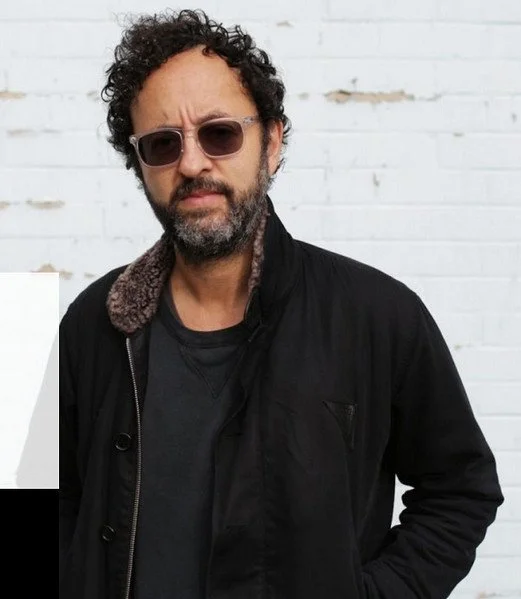
Trevor Jackson
Jackson was also building a career as a producer and remixer under the name, Underdog. He also issued his first music in that name via singles in 1994 and three volumes of The Attic Tapes in 1996. Switching to the moniker, Skull, he released the single, “Kingsize” in 1996 and then the LP, Snapz, in 1999. It was avant garde mixes of electronica laced with samples and dub beats. “Destroy All Monsters” is from that LP, and featured the sampled lyric, “all the colours are changing” from the song, “Autumn Song” (1973) by the band, Appendix. The same sample was also notably used in the track, “Relaxin’ at Club Fusion” by Koop in 2001.
He would then best be known for electronic music issued as Playgroup starting in the early 2000s. He did issue a third Skull release, the Black Static EP, in 2018, which was more in the industrial vein. Though his name is not likely widely known by music fans, most would have crossed his work via his album designs and remixing.
62. "Ancoats 2 Zambia" \ The Baby Namboos (1999) – The Baby Namboos only released one LP, Ancoats 2 Zambia (1999). Founding member, Mark Porter, was the cousin of Tricky. Thus, it was no surprise when the venerable trip hop artist contributed vocals to three tracks, including this, the title track. The line-up included Claude Williams, who was originally in The Wild Bunch. Recall the Bristol scene was largely established via that collective, so the connections to the core trip hop scene were deep for this act and their sound, not surprisingly, also hewed closely it.
63. "Big Wings" \ Bows (1999) – As we close out the decade, we’ll check out the duo, Bows. Luke Sutherland was a singer, multi-instrumentalist, and author who had been in the Scottish indie band, Long Fin Killie,. He teamed up with Danish vocalist, Signe Høirup Wille-Jørgensen, to form Bows. Pure to the trip hop elements of jazz, beats, experimentalism, and spacey dub compositions, they released their debut LP, Blush, in 1999. It was followed by a second LP, Cassidy, in 2001. “Big Wings” was a single and the lead track on the debut album, and with its sultry vocals, horn accents, synth flourishes, and echoey, dramatic beats, offered an excellent distillation of the trip hop sonic palette. It is a fine choice with which to close out this playlist.
Trip hop has continued to grow and flourish in the 2000s though is not a genre to conquer the charts or sell a lot of units. The artists most known and identified with the genre, Massive Attack, Tricky, Morcheeba, Thievery Corporation, and Hooverphonic, have continued undaunted. Bjork moved more into electronics and has only dabbled in the trip hop sounds since her mid-‘90s albums.
Portishead took eleven years before giving us a third LP, issuing it in 2008. It was titled, yup, Third, and like the first two LPs, reached #2 in the UK. Indicative of the growth of trip hop, this time they also cracked the US top ten. Nothing further has been issued though Beth Gibbons released an album, Out of Season, with Rustin Man (aka Paul Webb of Talk Talk), in 2002 and then a solo LP, Lives Outgrown, in 2024. Geoff Barrow has focused on composing film scores, while Adrian Utley has been a guitarist for hire for an extensive list of artists over the new century.
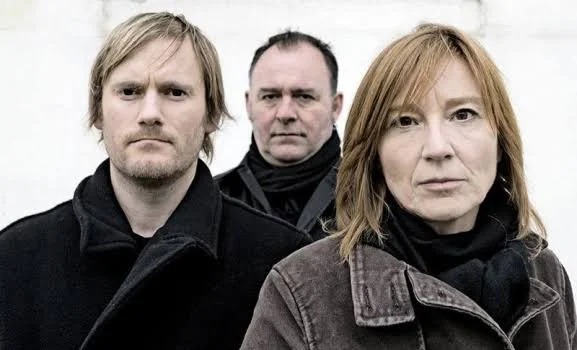
Portishead: Geoff Barrow, Adrian Utley, and Beth Gibbons
Trip hop has included an extensive range of artists over the years. The intoxicating genre blending and quintessentially ambient sonics has made the genre ever-present on online radio, streaming services, and in shops, restaurants, and public spaces everywhere. Maybe the next time you hear a jazzy interlude, sultry blues vocals or a rap over an intoxicating, faraway dub beat, you will know that trip hop is alive and well.